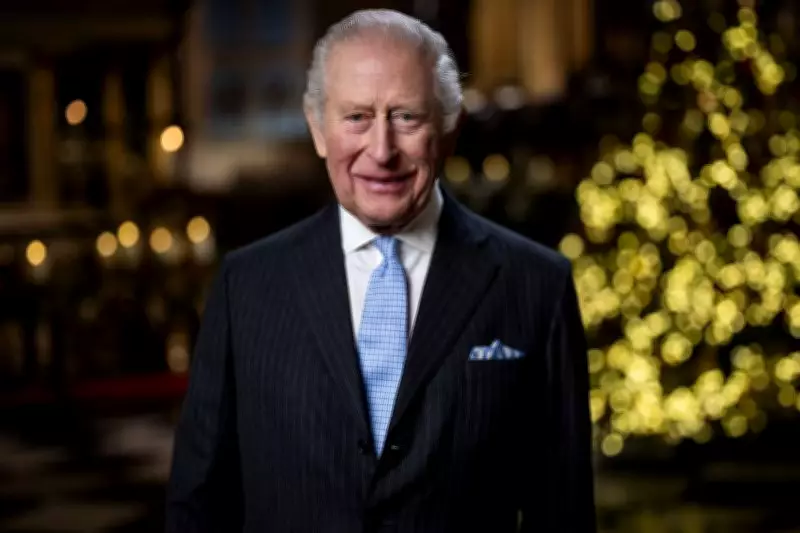
King Charles III is set to become the first British monarch to reveal his personal tax bill on Thursday, responding to growing demands for greater transparency in royal finances. This move comes after months of embarrassing headlines involving his younger brother, the former Prince Andrew, now known as Andrew Mountbatten-Windsor.
Disclosure During Sovereign Grant Briefing
The information will be released as part of Buckingham Palace’s annual briefing on the sovereign grant, the mechanism through which taxpayers fund the monarchy, according to British media reports. Last year, the palace published a 159-page report detailing how it spent 86.3 million pounds (USD 113.7 million) from the Treasury, including funds for a major renovation of Buckingham Palace.
While Charles voluntarily disclosed the tax he paid on his personal income as Prince of Wales, this marks the first time he has done so since ascending the throne after Queen Elizabeth II’s death in 2022. Prince William, the current Prince of Wales, is expected to follow his father’s example during a separate briefing.

Context of Scandal and Calls for Accountability
The disclosures come amid intense scrutiny from lawmakers and the public over the monarchy’s inner workings, following revelations about Andrew’s affairs. Stripped of his titles in 2025, Andrew is under investigation for misconduct in public office related to his friendship with convicted sex offender Jeffrey Epstein. He has been forced to vacate a sprawling royal estate where he paid no rent.
According to the BBC, the king made a personal decision to disclose his tax payments as part of a drive to “encourage wider understanding and accountability,” citing palace sources. Even before the scandal, Charles had pledged to slim down the monarchy and cut costs to ensure the institution’s survival amid questions about hereditary sovereignty in a modern democracy.
King’s Personal Fortune and Tax Arrangements
Charles has a personal fortune valued at 680 million pounds (USD 896 million), ranking him 230th on the Sunday Times’ annual list of Britain’s richest people. While not legally required to pay income tax, he voluntarily pays tax on his private income. His mother, Queen Elizabeth II, began paying taxes in 1993 after public outrage over the cost of restoring Windsor Castle following a fire. This arrangement was formalized under a memorandum of understanding between the government and the crown, guaranteeing Charles the same privacy rights as other taxpayers.
Sources of Income
The king is expected to release tax information only on his private income, which primarily comes from two privately owned estates: Balmoral in Scotland (over 50,000 acres, including Balmoral Castle) and Sandringham on England’s east coast (20,000 acres). Both estates are open to the public, offering tours, tea, and golf, with land farmed by the estate or tenants. He does not pay taxes on the sovereign grant or other income used for official duties.
Prince William’s main private income source is the Duchy of Cornwall, a portfolio of land and investments held in trust by the Prince of Wales. The duchy owns about 130,000 acres and reported a profit of 22.9 million pounds (USD 30.2 million) last year. It is overseen by a board of directors, with major decisions requiring Treasury approval.