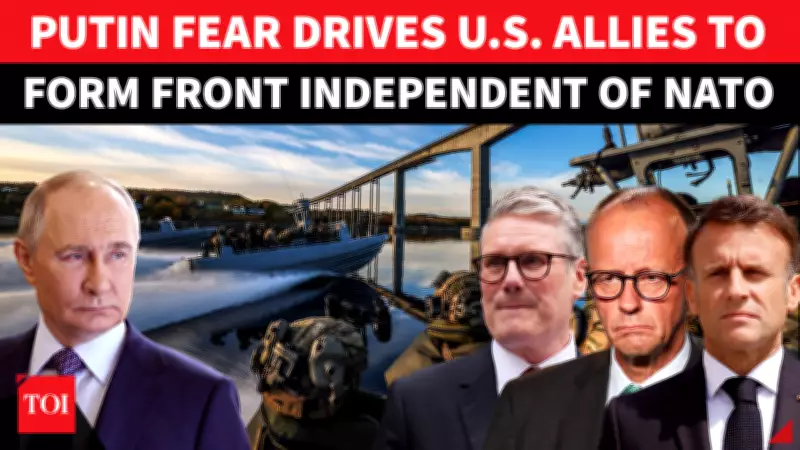
Europe is shifting its naval strategy in response to growing Russian aggression. Led by the United Kingdom, ten northern nations are bypassing traditional NATO structures to form a permanent maritime force. This new initiative comes amid a reported 30 percent increase in Russian incursions into European waters.
New Maritime Force Details
Admiral Sir Gwyn Jenkins announced that the Joint Expeditionary Force (JEF) will develop real war plans by 2029. The force aims to provide a rapid, regionally-focused response without waiting for consensus among the 32 NATO member states. The participating nations include the UK, Denmark, Estonia, Finland, Iceland, Latvia, Lithuania, the Netherlands, Norway, and Sweden.
Rising Russian Threats
Russia has escalated its naval activities, deploying armed frigates to escort oil tankers through the English Channel. This direct challenge to British sovereignty has prompted London to prepare for confrontation. The UK government views the new force as essential to protecting critical maritime routes and deterring further Russian aggression.

Strategic Shift: The move represents a significant departure from relying solely on NATO for collective defense. By forming a smaller, more agile coalition, the UK and its allies aim to respond more quickly to threats in the Baltic Sea, North Sea, and the Atlantic approaches.
Admiral Jenkins stated: 'We cannot afford to wait for a 32-nation consensus when faced with a grave and immediate threat. The JEF will have real war plans by 2029, ensuring we are ready to defend our waters.'
Implications for European Security
This new maritime force is expected to complement NATO but also highlights growing frustration with the alliance's decision-making processes. The JEF will focus on high-readiness operations, intelligence sharing, and joint exercises. It will also work closely with non-NATO partners like Finland and Sweden, which are not yet full members of the alliance.
International Reactions
The formation of the force has drawn mixed reactions. Some European nations welcome the initiative as a necessary step to counter Russian hybrid warfare, while others worry about undermining NATO unity. Russia has condemned the move, calling it a provocation that will escalate tensions in the region.
As the security landscape in Europe continues to evolve, the UK-led maritime force represents a bold new chapter in collective defense. With real war plans on the horizon, the JEF aims to ensure that the northern European waters remain secure against any threat.