

Deep Sea Mining: The New Resource Frontier
Deep sea mining is rapidly emerging as a pivotal new frontier in the global quest for natural resources, driven by escalating demand for critical minerals essential for modern technologies. This burgeoning industry focuses on extracting valuable metals and minerals from the ocean floor, particularly in international waters beyond national jurisdictions. As terrestrial sources become increasingly depleted or politically contentious, the deep sea offers a vast, untapped reservoir of resources that could reshape global supply chains and economic dynamics.
The Driving Forces Behind Deep Sea Mining
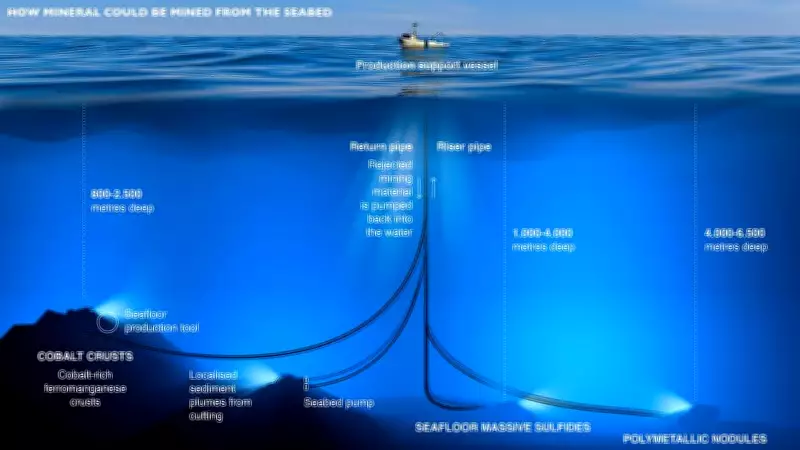
The primary impetus for deep sea mining stems from the urgent need for critical minerals such as cobalt, nickel, manganese, and rare earth elements. These materials are indispensable for manufacturing high-tech devices, including smartphones, electric vehicles, and renewable energy systems like wind turbines and solar panels. With the global transition to green energy and digitalization accelerating, demand for these minerals is projected to surge dramatically in the coming decades. Deep sea deposits, found in polymetallic nodules, crusts, and hydrothermal vents, are estimated to contain vast quantities of these resources, potentially offering a more stable and abundant supply compared to land-based mines.
Environmental Concerns and Risks
Despite its promise, deep sea mining raises significant environmental alarms. The ocean floor is home to unique and fragile ecosystems that are poorly understood, with many species yet to be discovered. Mining activities could cause irreversible damage through sediment plumes, noise pollution, and habitat destruction, threatening biodiversity and disrupting marine food chains. Scientists warn that the long-term ecological impacts are largely unknown, and once harmed, these deep-sea environments may take centuries or even millennia to recover. Environmental advocates and some nations are calling for a precautionary approach, urging more research and stringent regulations before commercial operations scale up.

- Destruction of sensitive habitats like hydrothermal vents and abyssal plains.
- Release of toxic substances from disturbed sediments into the water column.
- Noise and light pollution affecting marine life, including whales and deep-sea creatures.
- Potential disruption of carbon sequestration processes in ocean sediments.
Global Regulatory Landscape and Challenges
The governance of deep sea mining is complex, primarily overseen by the International Seabed Authority (ISA), a United Nations body established under the United Nations Convention on the Law of the Sea (UNCLOS). The ISA is tasked with regulating mineral-related activities in international seabed areas and ensuring that they are conducted for the benefit of all humanity. However, the regulatory framework is still evolving, with ongoing negotiations about environmental standards, profit-sharing mechanisms, and licensing procedures. Countries and corporations are vying for exploration contracts, leading to geopolitical tensions and debates over equitable access and sustainability.

- Balancing economic interests with environmental protection in a largely unexplored domain.
- Establishing clear and enforceable guidelines for mining operations to prevent ecological harm.
- Addressing concerns from small island nations and coastal states about potential impacts on their marine territories.
- Ensuring that benefits from deep sea resources are distributed fairly among developed and developing countries.
Technological Innovations and Future Prospects
Advancements in technology are making deep sea mining more feasible, with companies developing remotely operated vehicles (ROVs), autonomous underwater systems, and specialized equipment to extract minerals from extreme depths. These innovations could reduce some environmental risks by enabling more precise and less invasive operations. Looking ahead, the industry's growth will depend on overcoming technical hurdles, securing investment, and navigating regulatory approvals. If managed responsibly, deep sea mining could play a crucial role in meeting global resource needs, but it requires a careful, science-based approach to avoid catastrophic environmental consequences.
In summary, deep sea mining represents a transformative opportunity in the resource sector, offering access to critical minerals vital for the modern economy. However, it is fraught with environmental uncertainties and regulatory complexities that demand global cooperation and rigorous oversight. As this frontier expands, stakeholders must prioritize sustainable practices to harness its potential without compromising the health of our oceans for future generations.





