EU Energy Commissioner Issues Stark Warning on Prolonged High Energy Costs
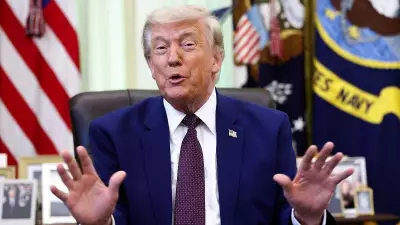
European Union energy commissioner Dan Jorgensen has delivered a sobering assessment regarding Europe's energy market, warning that oil and gas prices are unlikely to return to normal levels anytime soon, even if peace were declared tomorrow in the ongoing Iran conflict. This statement comes amid significant economic pressure on European households and businesses.
Substantial Price Increases Since Conflict Began
Since the outbreak of the Iran war, Europe has witnessed dramatic increases in energy costs. Gas prices have surged by approximately 70%, while oil prices have risen by about 60% across the continent. These substantial hikes have placed considerable strain on both consumers and industries throughout the European Union.
"What I find extremely important is to state as clearly as I can, that even if that peace is here tomorrow, still we will not go back to normal in a foreseeable future," Jorgensen emphasized during a news conference following a meeting of EU energy ministers.

Current Market Conditions and Import Costs
While the 27-member bloc currently faces no immediate shortages of oil or gas, significant pressures persist in global markets. According to the Associated Press, diesel and jet fuel supplies are experiencing particular strain, which in turn is driving up electricity costs throughout Europe.
The financial impact has been substantial, with the EU's fossil fuel import bill increasing by a staggering 14 billion euros since the beginning of the conflict. This dramatic rise underscores the economic challenges facing European nations as they navigate the current energy landscape.
EU Preparations for Continued High Prices
Jorgensen outlined that the European Commission, the EU's executive arm, is actively preparing a comprehensive range of measures designed to help families and businesses cope with persistently high energy prices. These upcoming initiatives will include mechanisms for member states to decouple gas prices from electricity prices, along with proposed tax cuts on electricity as suggested by Commission President Ursula von der Leyen.
Although the commissioner noted that a repeat of the 2022 natural gas crisis appears unlikely, he did not rule out the possibility of implementing a one-time "windfall tax" on companies that benefit disproportionately from the current high prices. Jorgensen stressed the importance of coordinated action among all EU members to prevent fragmented national responses that could potentially destabilize energy markets further.
International Energy Agency Recommendations and EU Strategy
The commissioner encouraged EU member states to consider implementing the International Energy Agency's 10-point plan, which includes practical measures such as reducing highway speeds, increasing public transportation usage, and promoting car-sharing initiatives. These recommendations aim to reduce energy consumption and mitigate the impact of high prices on European economies.
Jorgensen reaffirmed the European Union's commitment to maintaining the ban on Russian gas, which has successfully reduced Europe's reliance from 45% before the Ukraine war to just 10% currently. He highlighted ongoing efforts to diversify energy sources, including increased imports from the United States, Azerbaijan, Algeria, Canada, and various smaller global producers.
The commissioner concluded by stressing that Europe must avoid repeating past mistakes that allowed energy to be used as a weapon against member states, emphasizing the importance of energy security and strategic independence in the current geopolitical climate.