

G7 Energy Ministers Endorse Strategic Oil Reserve Deployment
In a significant development aimed at addressing global energy market volatility, the G7 group of nations has announced its support for the principle of using strategic oil reserves. This collective stance underscores a proactive approach to managing supply disruptions and stabilizing prices amid ongoing economic uncertainties.
Unanimous Support for Proactive Measures
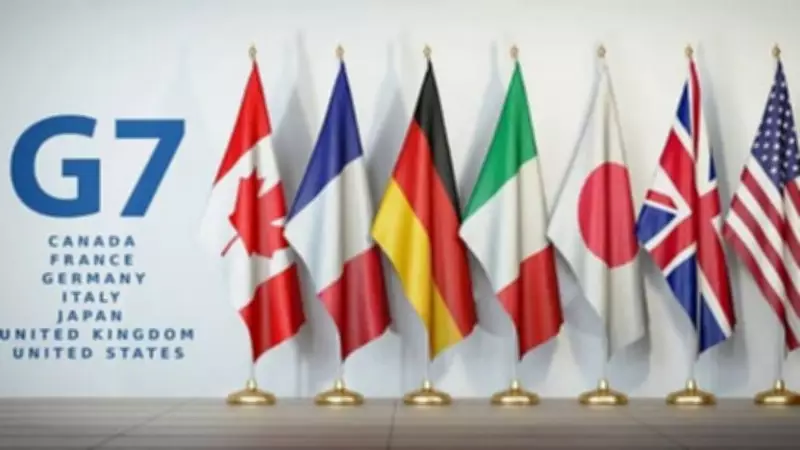
The energy ministers from the seven leading industrialized countries—Canada, France, Germany, Italy, Japan, the United Kingdom, and the United States—have agreed, in principle, to implement measures that include tapping into their national strategic petroleum reserves. This move is designed to mitigate the impact of potential supply shortages and price spikes, ensuring a more predictable energy landscape for consumers and industries worldwide.
Strategic oil reserves are government-controlled stockpiles of crude oil and petroleum products, maintained to provide a buffer during emergencies such as geopolitical conflicts, natural disasters, or significant market disruptions. By endorsing their use, the G7 signals a readiness to intervene in markets to prevent excessive volatility and support economic stability.

Addressing Current Market Conditions
The decision comes in response to recent fluctuations in global oil markets, driven by factors including geopolitical tensions, production adjustments by major oil-exporting nations, and evolving demand patterns. The G7's statement emphasizes a commitment to collaborative action, highlighting the importance of coordinated efforts among member countries to enhance energy security and resilience.
Key aspects of the G7's position include:
- Principle-Based Support: A foundational agreement to utilize reserves as needed, based on shared assessments of market conditions.
- Proactive Implementation: Emphasis on preemptive measures rather than reactive responses, aiming to stabilize markets before crises escalate.
- Global Coordination: Recognition of the interconnected nature of energy markets, requiring unified strategies among G7 nations and potential collaboration with other countries.
Implications for Global Energy Policy
This endorsement by the G7 energy ministers could pave the way for more frequent and strategic use of oil reserves in the future. It reflects a shift towards a more interventionist approach in global energy governance, where reserves are not just emergency tools but also instruments for market management. Analysts suggest that this could influence other nations and international bodies to adopt similar stances, fostering greater stability in energy supplies.
Moreover, the move aligns with broader G7 objectives, such as promoting sustainable energy transitions and reducing dependency on volatile fossil fuel markets. By ensuring reliable oil supplies, the group aims to support economic growth while advancing long-term goals like climate action and energy diversification.
As the situation evolves, the G7 plans to monitor market developments closely and adjust its strategies accordingly. This proactive stance is expected to reassure global markets and contribute to a more balanced energy outlook in the coming months.






