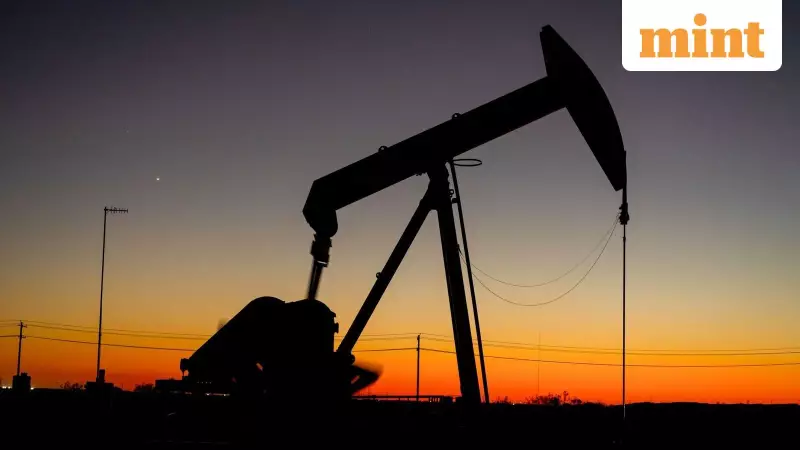
The world is swimming in oil, creating a significant surplus that threatens to pull crude prices even lower in 2026. Despite this, a complex web of geopolitical tensions and strategic buyer activity might just prevent a full-blown price collapse, offering a mixed bag for global consumers and investors.
The Overhang: A Million-Barrel-a-Day Problem
Crude oil benchmarks have witnessed a steep decline, falling 23% in 2025. On Friday, Brent crude traded near $63 per barrel, a stark drop of nearly $20 from its peak this January. Analysts point to a simple equation: there is too much oil chasing demand. Experts like Dan Pickering, founder of Pickering Energy Partners, estimate the market would need to cut supply by about a million barrels daily to achieve balance. The surplus forecasts for 2026 vary widely, between one to four million barrels per day, making price predictions exceptionally tricky.
"We see two possibilities," Pickering said. "One is OPEC cuts, which seem unlikely given they have just been spending all this time bringing oil back. Or we need lower U.S. supply, lower production from shale, which seems like it’s only going to happen with a price signal."

Geopolitical Wildcards: The Floor Under Prices
This very supply glut, however, is acting as a buffer against potential disruptions, keeping a floor under prices. The market is closely watching several flashpoints. In Venezuela, former U.S. President Donald Trump's recent social media statement about closing the country's airspace has put analysts on alert for potential military action, which could impact its oil exports.
More significantly, efforts to end the Russia-Ukraine war, led by Trump's envoy Steve Witkoff's expected meeting with Russian President Vladimir Putin, could eventually see sanctioned Russian barrels return to the global market. However, Helima Croft of RBC Capital Markets notes a major hurdle: "So much of the architecture of the sanctions on the Russian energy system has been done by the Europeans and we can’t just force 27 members to do what we want."
Similarly, while some bearish views suggest a flood of Venezuelan oil if President Nicolás Maduro is ousted, Croft cautions that the country's crippled infrastructure and exodus of skilled workers mean any production ramp-up would be slow. Venezuela currently produces only about one million barrels per day, a third of its historical peak.
OPEC's Strategy and China's Appetite
Market observers agree that a sharp price fall could force the OPEC+ alliance back into action. "If we do have this massive run-up in inventories, I think OPEC leadership does reserve the right to come back in. I don’t believe they are going to repeat 2015," Croft stated, referencing the year prices plunged below $40. The cartel has been incrementally adding oil, raising output by 2.9 million barrels daily since April, including a 137,000-barrel increase for December, though it plans a pause for early 2026.
Francisco Blanch of Bank of America describes this as a "long and shallow" price war against U.S. and other producers. He expects Brent to average $60-$65 in the coming months, with a market surplus of two million barrels daily. Blanch believes rebalancing could take up to 18 months, but sees a key buyer preventing a crash: China is expected to purchase an additional 200 million barrels for its strategic reserves in 2026.
For consumers, especially in the U.S., the glut has been a boon, with gasoline prices dipping to $3 a gallon in over half the states. For investors, while oil-related stocks may face pressure, lower prices could create value opportunities later in the year. The consensus among experts like Ed Morse of Hartree Partners is that prices are likely to fade toward $50 per barrel, with a low probability of an extreme move to $40, as geopolitical risks continue to counterbalance the fundamental oversupply.