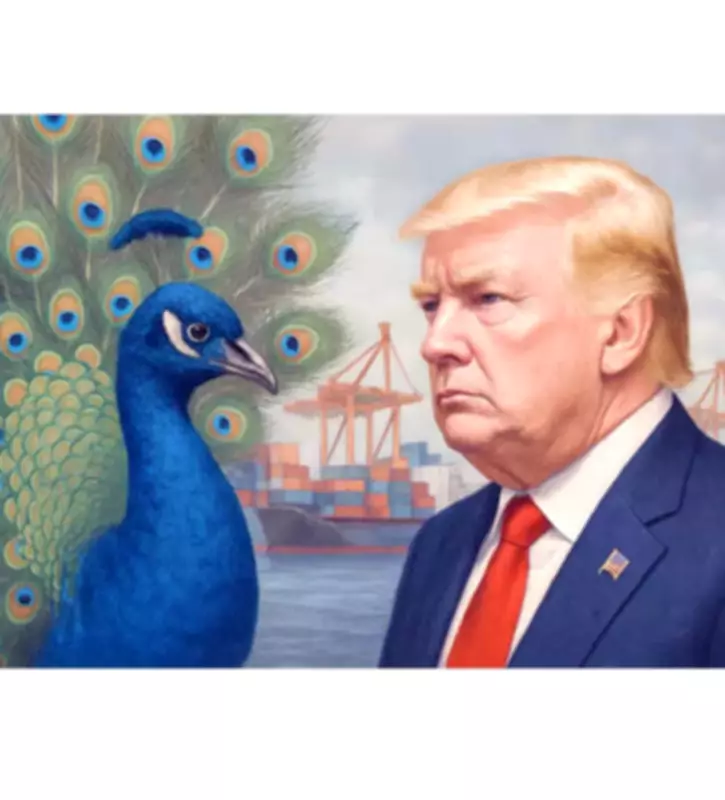
Art of the Trade Deal: India's Strategic Approach to Global Economic Partnerships
In the complex world of international commerce, India has been refining its strategy for trade deals, positioning itself as a key player in the global economy. The country's approach involves a delicate balance of economic interests, diplomatic finesse, and long-term strategic goals, making the art of the trade deal a critical component of its foreign policy.
Leveraging Market Size and Growth Potential
India's vast market of over 1.4 billion people and its status as one of the world's fastest-growing major economies give it significant leverage in trade negotiations. By emphasizing its consumer base and potential for future expansion, India can often secure favorable terms that boost exports, attract foreign investment, and enhance technological collaboration. This economic clout allows negotiators to push for agreements that align with domestic priorities, such as job creation and industrial development.
Balancing Economic Interests with Strategic Diplomacy
Trade deals are not merely about tariffs and quotas; they are deeply intertwined with geopolitical considerations. India's strategy involves aligning trade agreements with broader diplomatic objectives, such as strengthening ties with key partners like the United States, European Union, and neighboring countries in Asia. This holistic approach ensures that economic partnerships support national security and regional stability, while also addressing issues like intellectual property rights and environmental standards.

- Protection of Sensitive Sectors: India often safeguards agriculture and small industries from excessive foreign competition, using phased liberalization to allow domestic adjustment.
- Focus on Services and Digital Economy: With a strong IT sector, India prioritizes agreements that facilitate cross-border data flows and service exports.
- Inclusion of Development Clauses: Negotiations frequently incorporate provisions for technology transfer and capacity building to support sustainable growth.
Challenges and Opportunities in Modern Trade Deals
The evolving global trade landscape presents both challenges and opportunities for India. Issues such as supply chain resilience, climate change commitments, and digital trade rules require innovative approaches. By participating in multilateral forums and bilateral talks, India aims to shape international norms that reflect its developmental needs. Recent efforts include exploring new partnerships in Africa and the Indo-Pacific region, diversifying trade routes to reduce dependency on any single market.
- Adapting to Post-Pandemic Realities: The COVID-19 pandemic has underscored the importance of resilient supply chains, prompting India to seek deals that enhance self-reliance while maintaining global integration.
- Navigating Geopolitical Tensions: Amidst US-China rivalry, India positions itself as a stable partner, using trade agreements to bolster economic sovereignty and reduce vulnerabilities.
- Promoting Inclusive Growth: Trade policies are increasingly designed to benefit SMEs and rural sectors, ensuring that globalization's gains are widely shared across society.
In summary, the art of the trade deal for India is a multifaceted endeavor that combines economic pragmatism with strategic vision. By carefully crafting agreements that serve both immediate commercial interests and long-term national goals, India continues to enhance its role on the world stage, fostering prosperity through smart and sustainable trade practices.