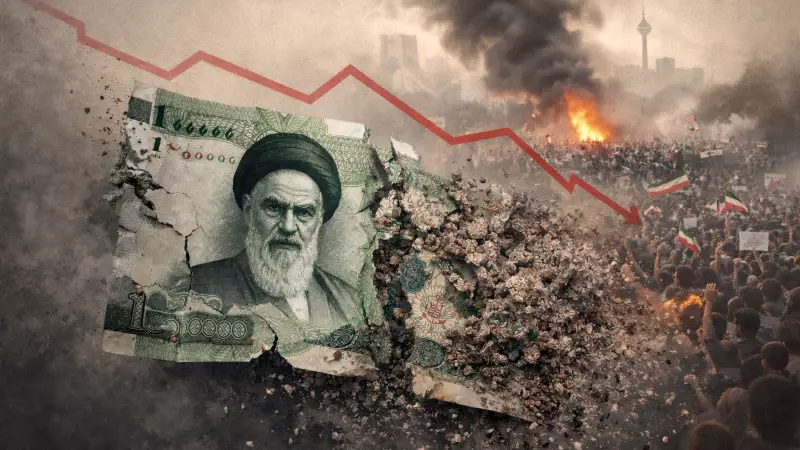
Iran is grappling with a severe economic crisis and widespread public anger, leading to the largest wave of anti-government demonstrations the country has witnessed since 2022. The unrest, which erupted in early January 2026, is directly fueled by a catastrophic decline in the national currency's value and a resulting collapse in living standards for ordinary citizens.
The Spark: A Currency in Freefall and Economic Despair
The immediate trigger for the current mass protests is a sharp and devastating decline in the value of the Iranian rial against the US dollar. This financial meltdown has triggered a domino effect across the economy. Skyrocketing prices for essential goods, widespread shortages, and a dramatic erosion of purchasing power have pushed a frustrated population to the brink. The economic pain, exacerbated by long-standing international sanctions, has become the central rallying point for public discontent.
A Shift in Protest Narrative: From Social Grievance to Economic Survival
These ongoing demonstrations mark a significant shift in the nature of popular unrest in Iran. The previous major protest movement, which ignited in 2022, was primarily sparked by the tragic death of 22-year-old Mahsa Amini while she was in police custody. Amini had been detained for allegedly not wearing her hijab, or headscarf, according to the country's strict dress codes. That movement evolved into a broad challenge against the Islamic Republic's social and political controls.

In contrast, the protests unfolding in January 2026 are rooted squarely in economic hardship. While underlying social and political frustrations remain, the primary cry from the streets is now about economic survival, inflation, and currency collapse. This presents a different, and in some ways more universal, challenge to the authorities, as it directly questions their ability to manage the country's basic economic functions.
The Venezuela Comparison and External Pressures
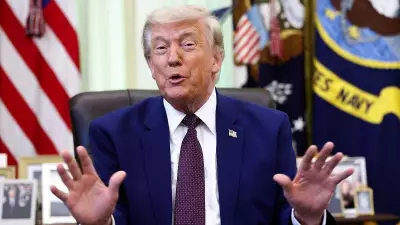
The scale of the economic breakdown has led analysts and observers to draw parallels with other sanction-hit economies, most notably Venezuela. The question being asked is whether Iran is on a similar path of hyperinflation, profound scarcity, and social upheaval. Compounding the internal crisis is the external threat referenced in the political landscape. The potential return of a hardline stance from former US President Donald Trump looms as a significant variable, threatening even stricter sanctions and more intense geopolitical pressure on Tehran.
The convergence of internal economic failure and external threats creates a perfect storm for the Iranian government. The regime's ability to contain these massive anti-government protests while stabilizing the currency and economy will be its most critical test in years. The outcome will determine not just the country's economic future, but also its social stability and geopolitical standing.