Residents of Afghanistan's capital, Kabul, are facing a severe and costly winter crisis as the price of coal, a vital heating fuel, has skyrocketed despite the country sitting on ample domestic reserves. This paradoxical situation has left citizens struggling to stay warm, blaming a network of middlemen and systemic corruption for the unaffordable costs.
The Harsh Reality of Winter in Kabul
As temperatures plummet in Kabul, the demand for heating fuels reaches its annual peak. For countless families, burning coal in traditional sandali heaters or bukharis (wood-burning stoves) is the only defense against the freezing cold. However, this winter has brought an unprecedented financial burden. The price of one metric tonne of coal has surged to between 28,000 and 33,000 Afghanis (approximately $400-$470), marking an increase of about 50% compared to previous years. For a population grappling with widespread unemployment and a collapsed economy since the Taliban's return to power in August 2021, this price hike is catastrophic.
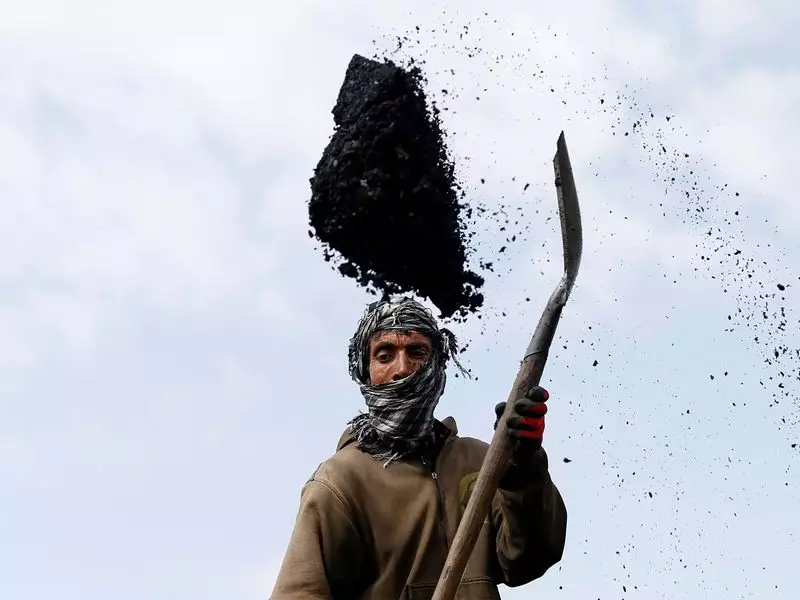
Local vendors in the Kote Sangi market, a major hub for coal sales, confirm the steep prices. One seller, Abdul Qadir, stated that while they simply follow the rates set by suppliers and wholesalers, the end cost is prohibitive for ordinary people. The situation forces desperate choices: many families are reducing their coal consumption to dangerous levels or switching to burning cheaper, often toxic, materials like plastic and garbage, which poses severe health risks.

Abundant Supply, Artificial Scarcity
The most frustrating aspect for Kabul's citizens is the knowledge that Afghanistan is not short of coal. The country possesses significant coal reserves, notably in the northern provinces like Samangan and Baghlan. Mines in these regions continue to operate and extract coal. The problem, therefore, is not one of supply but of distribution and market manipulation.
Experts and citizens point fingers at a powerful chain of intermediaries. After extraction, coal passes through multiple layers of middlemen, contractors, and transporters, each adding their own profit margin. Furthermore, allegations of corruption at Taliban-run checkpoints on the routes from mines to cities are rampant. Truck drivers are reportedly forced to pay hefty bribes to pass through, a cost that is ultimately transferred to the consumer in Kabul. This creates an artificial scarcity and inflates prices in the capital, even as coal remains relatively more affordable in mining regions.
Government Response and Public Anger
The Taliban administration has acknowledged the issue but its actions have done little to alleviate the crisis. Officials from the Ministry of Mines and Petroleum have occasionally announced price control measures and warned sellers against overcharging. However, these directives have largely been ignored on the ground, with no effective enforcement mechanism in place.
The public's anger is palpable. "The government is not able to control the prices," said Farhad, a Kabul resident, echoing a common sentiment. Many argue that if the authorities can maintain strict security control, they should also be able to regulate the market and crack down on corrupt practices within the supply chain. The crisis undermines the Taliban's claims of bringing stability and effective governance, revealing deep flaws in their economic management.
Broader Economic Despair
The coal price surge is a symptom of a larger economic collapse. With most international aid frozen and the banking sector crippled by sanctions, Afghanistan's economy is in freefall. Household savings have been depleted, and incomes are scarce. The coal crisis directly impacts public health, as cold-related illnesses rise when people cannot heat their homes. It also exacerbates poverty, forcing families to spend a huge portion of their meager resources on just one essential commodity.
As the winter deepens, the plight of Kabul's residents highlights the profound humanitarian and economic challenges facing Afghanistan. The disconnect between abundant natural resources and crippling consumer prices stands as a stark indictment of the current system's failures, leaving a population out in the cold both literally and figuratively.