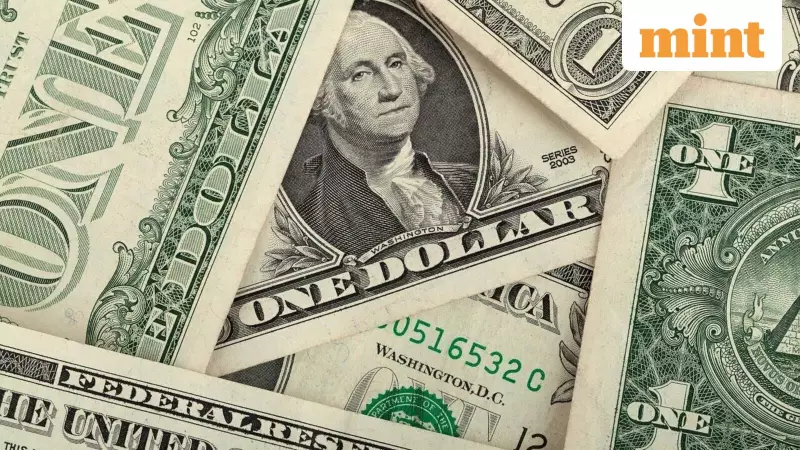
Should Latin America Adopt the US Dollar? A Critical Look
The removal of Venezuelan dictator Nicolás Maduro signals increased U.S. involvement in the Western Hemisphere. This shift raises a crucial question. Should the United States push Latin American countries to formally adopt the U.S. dollar? The dollar already dominates global reserves, but formal adoption could reshape regional economics.
The Current Currency Landscape in the Americas
Unlike Europe, which unified under the euro, the Americas use over three dozen different currencies. Only Ecuador, El Salvador, and Panama have fully adopted the U.S. dollar. Discussions about dollarization occurred in the past, such as a 1999 Senate hearing, but no clear policies emerged. Now, with renewed U.S. focus on regional advancement, the debate gains urgency.
Pros of Dollar Adoption
Adopting the dollar offers several advantages for both the U.S. and Latin American nations.

- Seigniorage Benefits: Dollarizing countries effectively provide the U.S. with profit from printing money, acting as an interest-free loan to Washington.
- Reduced Business Costs: Using the same currency lowers transaction expenses and eliminates exchange rate uncertainty, boosting trade and capital flows.
- Elimination of Currency Manipulation: It removes unfair trade practices linked to currency devaluation.
These factors could enhance financial stability and spur development in emerging markets, aligning with U.S. national interests through stronger political alliances.
Cons and Risks Involved
However, dollarization carries significant risks that require careful consideration.
- Expectations of U.S. Support: Nations might assume they deserve special assistance during crises, leading to resentment if not provided, as they sacrifice monetary sovereignty.
- Blame Deflection: Countries could blame Washington for internal economic problems instead of pursuing necessary reforms.
- Disproportionate U.S. Benefits: The U.S. might gain more from Latin American growth, creating imbalances.
Clear terms must state that dollarization is voluntary. It should not grant access to Federal Reserve facilities or influence U.S. monetary policy.
Global Context and Political Dynamics
The dollar holds a 50% share in international payments, underscoring its global pre-eminence. Yet, political leaders like former President Donald Trump emphasize maintaining this dominance. In 2024, Trump warned BRICS countries against creating alternative currencies, threatening tariffs. The BRICS bloc, now including nations like Egypt and Iran, seeks to challenge dollar hegemony, as seen at a 2024 summit in Brazil.
Historically, great powers have strong currencies, as noted by economist Robert Mundell. Planning beneficial monetary arrangements is timely, akin to the Bretton Woods system established during World War II, which fostered exceptional global economic performance for decades.
Conclusion: A Strategic Reevaluation
Reassessing dollar adoption in Latin America is essential. It involves balancing economic integration with sovereignty concerns. Strategic proposals could renew efforts to strengthen America's currency role, but success depends on voluntary cooperation and clear boundaries. As the region evolves, thoughtful monetary policies may pave the way for shared prosperity and stability.