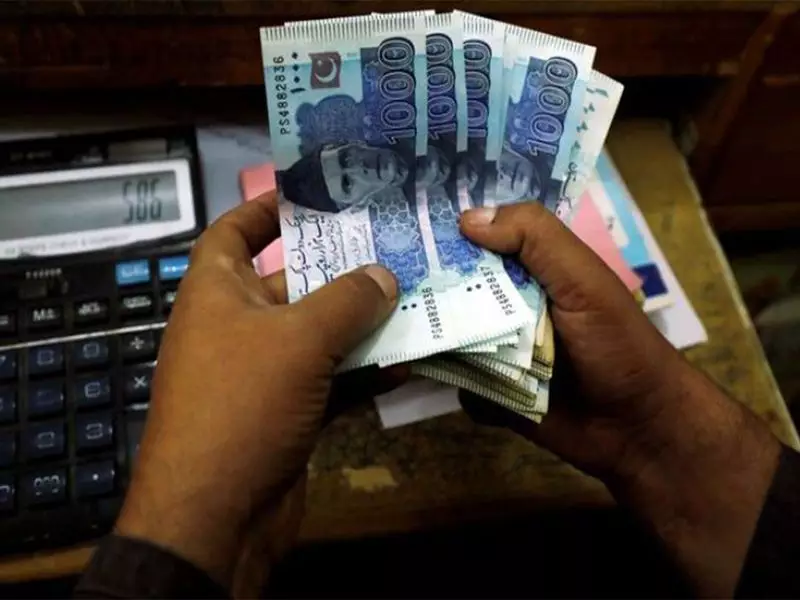
While Pakistani authorities project an image of a stabilizing economy, the daily reality for millions of its citizens tells a starkly different story. A relentless surge in the cost of essential goods and services is squeezing household budgets, contradicting official narratives of recovery and control.
The Stark Reality Behind the Statistics
Official data from the Pakistan Bureau of Statistics reveals a troubling picture. The Consumer Price Index (CPI) inflation for April 2024 stood at 17.3% year-on-year. While this marks a slight decrease from previous highs, it remains crippling for the average family. More alarmingly, the Sensitive Price Indicator (SPI), which tracks essential items on a weekly basis, recorded inflation at a staggering 23.4% for the week ending May 16, 2024. This glaring gap between the two indices highlights how the prices of daily necessities are skyrocketing far beyond the general inflation rate.
The burden is not evenly distributed. Urban consumers are feeling a slightly higher pinch with CPI inflation at 17.8%, compared to 16.4% in rural areas. Key drivers of this inflationary pressure include exorbitant costs for basic food items, utilities, and transportation, making it increasingly difficult for people to make ends meet.

Essential Commodities Become Luxuries
A closer look at specific item categories reveals the depth of the crisis. Food inflation, the most direct hit to household welfare, remains painfully high. Prices for staples like wheat flour, meat, milk, and cooking oil have seen sustained increases. Non-food items are no better, with sectors like housing, water, electricity, gas, and fuel contributing significantly to the overall index.
This persistent inflation occurs despite the government's claims of achieving economic stability through stringent fiscal measures and a $3 billion standby arrangement with the International Monetary Fund (IMF). The IMF program, while providing a lifeline for foreign reserves, often mandates tough reforms like subsidy cuts and tax hikes, which can translate into higher prices for consumers in the short term.
Public Distrust and Political Implications
The disconnect between official pronouncements and ground reality is fueling widespread public disillusionment. Citizens experiencing the daily grind of choosing between essential purchases find little solace in macroeconomic indicators showing slight improvements. This erosion of trust poses a significant challenge for the ruling establishment, as economic distress often translates into political unrest.
Analysts point out that while the government may highlight a narrowing current account deficit or relative currency stability, these metrics offer cold comfort to a population struggling with eroded purchasing power. The situation underscores a critical challenge: achieving statistical economic stability without delivering tangible relief to the public is an incomplete victory.
The road ahead for Pakistan remains fraught with economic challenges. Global commodity price fluctuations, the need for further structural reforms, and the daunting task of debt management continue to loom large. For true stability to be realized, the benefits must trickle down to the common citizen, a milestone that currently seems distant amidst the relentless climb of living costs.