

Pakistan's Cotton Crisis Intensifies Amidst Policy Failures and Seed Quality Concerns
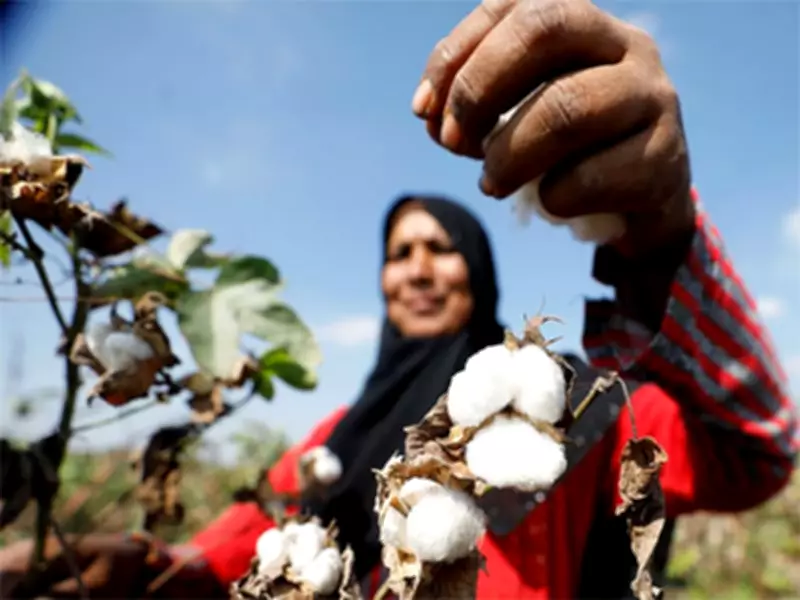
The cotton crisis in Pakistan has deepened significantly, driven by a combination of policy failures and concerns over seed quality, posing severe challenges to the country's agricultural sector and broader economy. This situation threatens the textile industry, a key pillar of Pakistan's exports and employment.
Root Causes of the Crisis
Several factors have contributed to the worsening cotton crisis in Pakistan. Policy failures at the governmental level have played a major role, with inadequate support and inconsistent regulations hampering farmers' efforts. Additionally, the quality of cotton seeds has become a critical issue, as many farmers report using substandard or counterfeit seeds that lead to poor yields and increased vulnerability to pests and diseases.
Impact on the Textile Industry
The decline in cotton production has direct repercussions for Pakistan's textile industry, which relies heavily on domestic cotton for raw materials. With reduced supply, textile manufacturers face higher costs and potential disruptions in production, which could affect export revenues and global competitiveness. This crisis also risks job losses in a sector that employs millions of people across the country.

Economic and Social Consequences
Beyond the textile sector, the cotton crisis has broader economic and social implications. Reduced agricultural output can lead to lower incomes for farmers, exacerbating rural poverty and food security issues. Moreover, the crisis may strain Pakistan's trade balance, as the country might need to increase cotton imports to meet domestic demand, putting pressure on foreign exchange reserves.
Call for Immediate Action
Experts and industry stakeholders are urging the government to take immediate and effective measures to address the crisis. Recommendations include:
- Implementing robust policies to support cotton farmers with subsidies and technical assistance.
- Enhancing seed quality control mechanisms to ensure farmers have access to certified and high-yielding varieties.
- Promoting research and development in cotton agriculture to improve resilience against climate change and pests.
- Fostering public-private partnerships to boost investment in the cotton value chain.
Without swift intervention, Pakistan's cotton crisis could escalate further, undermining economic stability and livelihoods. The situation highlights the urgent need for coordinated efforts to revive this vital sector and secure its future.






