

Pakistan's Economic Crisis Deepens: Poverty Hits 29%, Highest in 11 Years
Pakistan is grappling with a severe economic downturn as official data reveals alarming increases in poverty, inequality, and unemployment. According to a survey released by Planning Minister Ahsan Iqbal on Friday, the poverty rate has climbed to 29%, marking an 11-year high since 2014 when it stood at 29.5%. This represents a sharp rise from 21.9% in 2019, indicating a significant deterioration in living standards.
Record Inequality and Unemployment Compound Crisis
The survey's preliminary findings for fiscal year 2024-25 paint a grim picture of Pakistan's socioeconomic landscape. Income inequality has surged to 32.7, the highest level recorded since 1998—a 27-year peak that underscores widening disparities. Concurrently, the unemployment rate has reached 7.1%, a 21-year high that exacerbates the nation's economic challenges.
Minister Iqbal acknowledged that stabilisation policies tied to the International Monetary Fund programme have contributed to widespread hardship. He cited subsidy withdrawals and currency devaluation as key drivers of inflation, which has eroded purchasing power. Natural disasters and weak economic growth were also identified as significant factors in this crisis.

Extreme Poverty Affects 70 Million Pakistanis
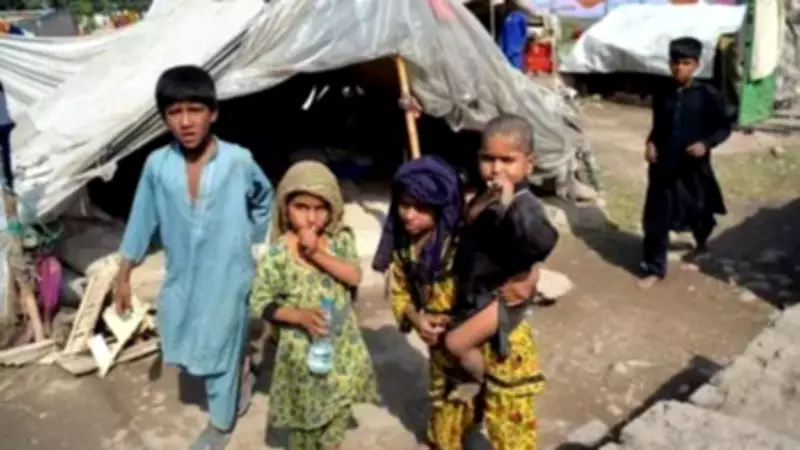
The report estimates that approximately 70 million people now live in extreme poverty, defined by a monthly threshold of Rs8,484 required to meet basic needs. This staggering figure highlights the scale of deprivation across the country, with both rural and urban areas experiencing substantial increases in poverty rates.
- Rural poverty rose from 28.2% to 36.2%
- Urban poverty increased from 11% to 17.4%
Provincial data reveals similar distressing trends across Pakistan's major regions:
- Punjab: Poverty rate climbed from 16.5% to 23.3%
- Sindh: Increased from 24.5% to 32.6%
- Khyber-Pakhtunkhwa: Rose from 28.7% to 35.3%
- Balochistan: Escalated from 42% to 47%
Security Challenges and Income Decline Worsen Situation
The report specifically noted that security challenges in Khyber-Pakhtunkhwa and Balochistan "disrupt livelihoods, limit access to markets and essential services, and increase household vulnerability." These regional instabilities have compounded economic difficulties, making recovery more challenging in already vulnerable areas.
Household finances have deteriorated significantly over the past seven years. Real monthly household income fell by 12% to Rs31,127, while real expenses declined by 5.4%. This disparity reflects how inflation has consistently outpaced nominal earnings, eroding purchasing power and living standards across the population.
"The nominal rise in income was outpaced by inflation, causing real incomes to fall," the survey confirmed, highlighting the inflationary pressures that have undermined economic stability.
Government Response and Policy Challenges
Minister Iqbal addressed the economic challenges directly, stating that "The journey to economic progress was first disrupted in 2018 and then again in 2022 consumption led economic growth caused the economy to crash in the following year." He emphasized that cash transfers under programs like the Benazir Income Support Programme "are not the solution," stressing instead the need for sustainable growth and wealth creation strategies.
Responding to criticism of Pakistan Muslim League-Nawaz policies, Iqbal indicated it would take approximately three years to undo the effects of previous Pakistan Tehreek-e-Insaf decisions. He ruled out an early exit from the IMF programme while expressing hope that sustained employment growth and income recovery would gradually reduce poverty levels.

The comprehensive survey data reveals a nation at a critical economic crossroads, with millions of citizens struggling to meet basic needs amid rising costs and limited opportunities. As Pakistan navigates these challenges, policymakers face the daunting task of implementing reforms that address both immediate hardships and long-term structural issues.





