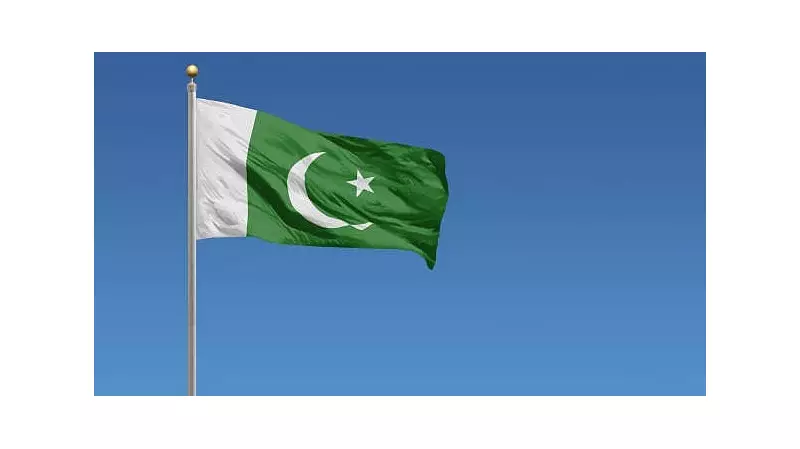
The government of Pakistan has officially initiated a crucial process to divest its stake in the financially troubled national carrier, Pakistan International Airlines (PIA). This move forms a central part of the country's commitments under a substantial $7 billion International Monetary Fund (IMF) programme aimed at stabilising the economy.
The Privatisation Drive Under IMF Mandate
In a significant step towards economic reform, Pakistani authorities are moving forward with plans to sell the loss-making state-owned airline. The decision, announced on 04 December 2025, involves opening the process for competitive bidding. This strategic disinvestment is not merely a commercial decision but a critical condition embedded within the broader financial rescue package negotiated with the IMF. The government's attempt to offload PIA underscores its efforts to stem the continuous drain on public resources caused by the airline's poor financial performance.
Details of the Pakistan International Airlines Sale
The core of the announcement revolves around the invitation for bids from potential investors, both domestic and international. Pakistan International Airlines has long been a symbol of national pride but also a significant fiscal burden on the exchequer. Years of operational losses, management challenges, and mounting debt have necessitated this drastic measure. The bidding process is expected to attract interest from global aviation players and investment consortia looking to acquire assets in the region. The successful completion of this privatisation bid is seen as a litmus test for Pakistan's ability to implement tough structural reforms demanded by international lenders.

Implications and the Road Ahead
The sale of PIA carries profound implications for Pakistan's aviation sector and its standing with global financial institutions. A successful transaction would demonstrate the government's commitment to its IMF programme and could unlock further tranches of funding. It would also shift the responsibility of reviving the airline to a private entity, potentially leading to operational efficiency, fleet modernisation, and route optimisation. However, the process is likely to be complex, involving issues of debt clearance, workforce restructuring, and regulatory approvals. The outcome will be closely watched as an indicator of Pakistan's economic direction and its adherence to reform agendas in the year 2025 and beyond.