

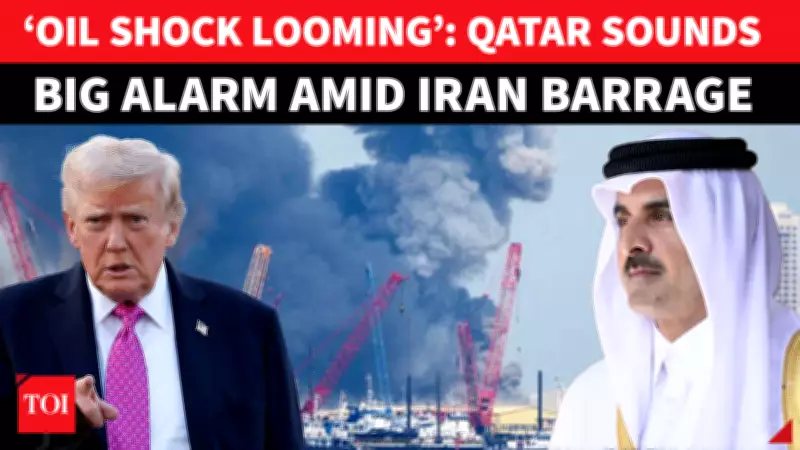
Qatar Issues Dire Warning on Global Energy Crisis Amid Escalating Iran Conflict
Qatar's Energy Minister Saad al-Kaabi has issued a grave warning that the escalating conflict involving Iran could trigger a massive global energy crisis within weeks. The minister stated that ongoing hostilities in the Gulf region could force energy exporters to declare force majeure and completely halt oil and gas shipments to international markets.
Critical LNG Production Already Disrupted
According to reports, Qatar has already suspended liquefied natural gas production following Iran's retaliatory strikes across the Gulf. This development is particularly significant as Qatar accounts for approximately 20 percent of global LNG supply, making its exports absolutely critical for energy markets across Asia and Europe. The sudden halt in production represents a major disruption to the global energy supply chain.
Potential Price Surges and Shipping Disruptions
Minister Kaabi warned that disruptions to shipping through the strategically vital Strait of Hormuz could send crude oil prices soaring to $150 per barrel in just weeks. Global natural gas prices could also experience dramatic spikes as supply constraints intensify. The Strait of Hormuz serves as a crucial maritime chokepoint through which about one-fifth of the world's oil passes daily.

Broader Regional Implications
The escalating conflict has created widespread concern among Gulf nations about the stability of energy exports from the region. The potential for expanded hostilities threatens not only immediate production but also long-term investment in energy infrastructure across the Middle East.
Energy analysts note that the situation represents one of the most significant threats to global energy security in recent decades, with potential ripple effects across multiple continents. European nations that have increasingly relied on Qatari LNG following previous supply disruptions now face renewed uncertainty about their energy security.
Global Market Vulnerability
The warning from Qatar's energy minister highlights the global economy's continued vulnerability to geopolitical instability in energy-producing regions. With winter approaching in the Northern Hemisphere, the timing of these disruptions could prove particularly challenging for nations already grappling with energy supply challenges.
International energy agencies are reportedly monitoring the situation closely and preparing contingency plans should the conflict continue to escalate. The potential for a prolonged disruption to Gulf energy exports represents a scenario that could fundamentally reshape global energy markets and economic stability worldwide.






