

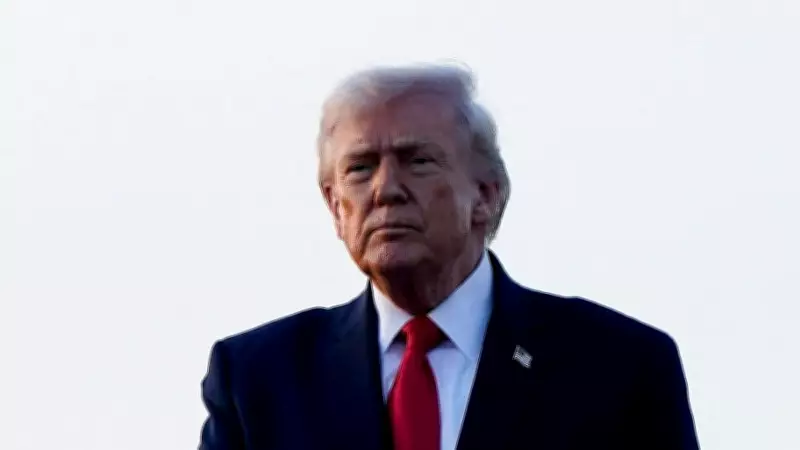
Trump Announces Sweeping Global Tariff Hike from 10% to 15%
In a dramatic move that has sent shockwaves through international markets, former President Donald Trump declared on Friday an immediate imposition of a 10% tariff on all imported goods entering the United States. This aggressive trade policy, unveiled in response to a recent high court ruling that reportedly infuriated him, adds a new layer of taxation on top of any existing tariffs already in place.
Legal Authority and Potential Escalation
Under current U.S. law, Trump is empowered to enforce a tariff levy of up to 15% for a duration of 150 days. While the initial announcement sets the rate at 10%, sources indicate that the administration is prepared to escalate this to the maximum allowable 15% threshold, a move that could significantly impact global trade flows and economic stability.
The decision comes amid heightened political tensions, with Trump leveraging executive authority to push forward his protectionist agenda. However, this unilateral action is not without its critics and is expected to face substantial legal challenges from various stakeholders, including foreign governments, domestic industries, and legal experts who question its constitutionality and economic rationale.

Immediate Global Repercussions
The announcement has immediately triggered concerns among trading partners worldwide, who fear retaliatory measures and a potential trade war. Economists warn that such a broad-based tariff increase could lead to:
- Higher consumer prices for a wide range of goods in the U.S.
- Disruptions in global supply chains already strained by recent geopolitical events
- Increased inflation pressures in an already volatile economic environment
- Potential job losses in sectors reliant on imported materials
As the situation develops, international leaders are closely monitoring the implementation timeline and legal proceedings that may follow. The 150-day window for the potential 15% tariff provides a critical period for negotiations and legal maneuvers that could shape the future of U.S. trade policy.






