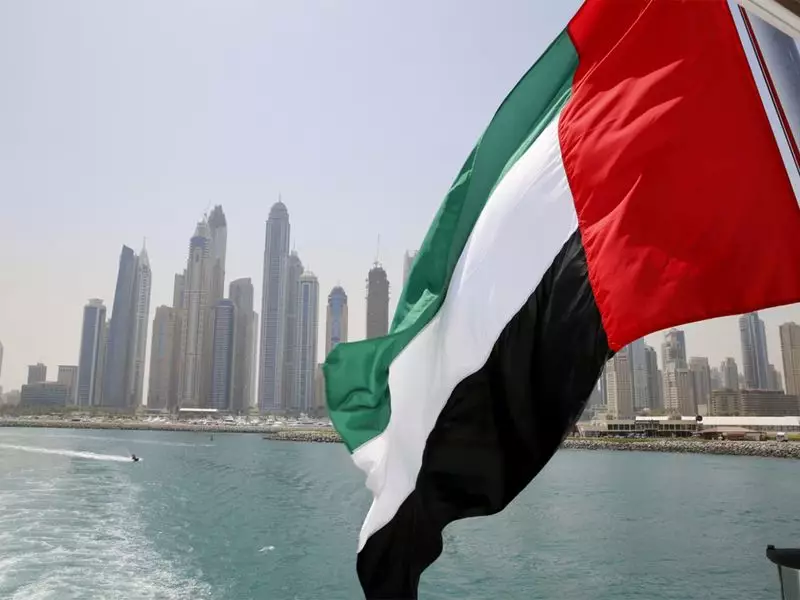
The United Arab Emirates (UAE) is aggressively carving out a leadership position in the global sustainability arena through its pioneering embrace of the circular economy. Moving beyond the traditional 'take-make-dispose' model, the nation is implementing a suite of innovative policies designed to minimize waste, maximize resource efficiency, and unlock significant economic value. This strategic shift is not just an environmental imperative but a calculated economic transformation, with ambitious targets set for the coming decade.
Strategic Framework and Ambitious National Targets
At the heart of this transition is the UAE's Circular Economy Policy 2031, a comprehensive national framework approved in 2021. The policy establishes a clear roadmap with four primary objectives: optimizing resource use, reducing the environmental impact of consumption, managing waste effectively, and creating new economic opportunities. The scale of the ambition is underscored by concrete financial goals: the UAE aims to reduce municipal waste treatment costs by a staggering 75% and generate economic savings exceeding $2 billion (approximately AED 7.3 billion) by 2030.
The policy framework is action-oriented, focusing on key sectors with high circular potential. These include sustainable manufacturing, green infrastructure, efficient transportation, and sustainable food production and consumption. By targeting these industries, the UAE intends to decouple economic growth from resource depletion and environmental degradation, creating a more resilient and future-proof economy.

Innovative Initiatives Driving Real-World Impact
The national strategy is being brought to life through a series of groundbreaking initiatives and public-private partnerships. A standout example is the 'Circulive' initiative, launched by the UAE's Ministry of Climate Change and Environment (MOCCAE). This program acts as a powerful catalyst by directly connecting companies that possess recyclable waste materials with other industries that can use those materials as raw inputs. This industrial symbiosis turns waste into a valuable commodity, keeping resources in productive use for longer.
Complementing this is the National Circular Economy Council, a high-level body that ensures coordination and drives implementation across various government entities and the private sector. Furthermore, the UAE is leveraging technology to track progress transparently. The development of a national database to monitor the flow of secondary raw materials is a critical step, providing the data needed to refine policies, measure impact, and attract further investment into circular business models.
Economic and Environmental Dividends
The push towards a circular economy is yielding tangible benefits on multiple fronts. Environmentally, it directly contributes to the UAE's climate goals by reducing greenhouse gas emissions associated with extraction, production, and landfilling. Economically, it opens up new avenues for innovation, job creation in green industries, and reduces the nation's dependency on imported raw materials, enhancing supply chain security.
The estimated $2 billion in savings by 2030 will primarily come from reduced waste management costs and the increased value extracted from materials that were previously discarded. This economic rationale is crucial for securing widespread buy-in from businesses and investors. The UAE's approach demonstrates that environmental stewardship and economic prosperity are not mutually exclusive but are, in fact, synergistic in a well-designed circular system.
In conclusion, the UAE is systematically building a robust ecosystem for circularity through strong policy direction, innovative market-making platforms like 'Circulive', and enabling technological infrastructure. By doing so, the nation is not only addressing pressing environmental challenges but is also strategically positioning itself for long-term, sustainable economic competitiveness on the world stage. Its journey offers a compelling blueprint for other nations, particularly in rapidly developing regions, seeking to harmonize growth with planetary boundaries.