Uganda's Historic Refugee Welcome Mat Withdrawn
Uganda, long celebrated as Africa's most generous refugee haven, has officially joined the global trend of restricting asylum seekers. The East African nation announced new restrictions in October 2025 that have already prevented approximately 5,000 refugees from entering the country, according to government estimates.
Geoffrey Mugabe, a senior official in the Ugandan prime minister's office, confirmed the policy shift, stating: "We have now decided to narrow the support to only vulnerable refugees. Registration of refugees from countries that are not in conflict has been closed." Even people fleeing Somalia, a nation experiencing decades of civil war and Islamist violence, are being turned away at Ugandan border crossings.
Regional Domino Effect in Refugee Policies
Uganda's policy reversal reflects a broader regional pattern. According to aid agencies, Egypt, Kenya, and Ethiopia are implementing similar restrictions, primarily citing funding shortages. People escaping the civil war in Sudan now require visas to enter Egypt, facing potential deportation without proper documentation.

Ethiopia has revoked visa exemptions, and police routinely detain individuals lacking necessary paperwork. Meanwhile, Kenya's courts are considering government plans to stop registering asylum seekers from Eritrea and Ethiopia. In June 2025, Chad's government warned it might close its land border with Sudan due to insufficient international support for the nearly one million people who have crossed into its territory.
From Generosity to Austerity: The Funding Crisis
Uganda's transformation from refugee champion to restrictor stems directly from financial pressures. The country had been a notable exception to global anti-immigration trends, sheltering almost two million people, allowing them to work, and providing land for farming. In 2021, Uganda became the first African country to accept Afghan refugees evacuated after the Taliban takeover.
The nation's generosity depended heavily on American support. During the final year of the Biden administration, the U.S. contributed $83 million in food, medical, and education assistance for refugees in Uganda. However, the Trump administration effectively dismantled the U.S. Agency for International Development after taking office in January 2025, significantly reducing foreign aid.
The consequences are severe:
- The U.N. budget for refugee services in Uganda plummeted from $500 million in 2019 to approximately $140 million in 2025
- As of August 2025, the U.N. had received only 18% of its $968 million appeal for Uganda's refugee programs
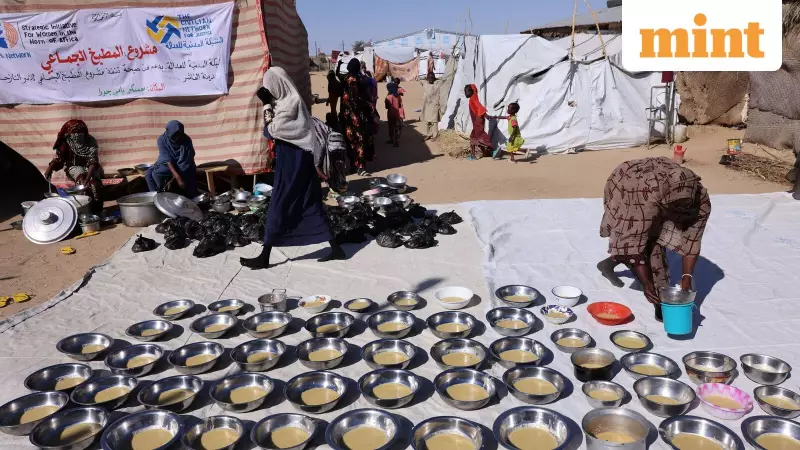
- Refugee families in settlements near South Sudan are eating just two or three meals weekly
- Nearly one-third of children in some camps suffer from malnutrition
Patrick Okrut, Uganda's migration commissioner, acknowledged the difficult position: "Ultimately, our goal has always been to ease the suffering of migrants and refugees." Yet the government now faces impossible choices, with health officials in congested settlements turning away patients with bacterial infections to prioritize emergency cases.
The situation has become so dire that some refugees are choosing to return to dangerous homelands. More than 4,000 refugees have abandoned Ugandan encampments since the start of 2025, opting to return to Burundi, South Sudan, and other nations. By year's end, approximately 2,000 refugees are expected to return to Sudan, which aid workers describe as experiencing the world's worst humanitarian crisis.
As Alberdine Mohamed, who fled to Uganda from Sudan in 2023, expressed his uncertainty: "I am trying to build my future from here." His children attend Ugandan schools and his wife started a business in Kampala, but the future of such refugee families grows increasingly precarious as nations worldwide pull up the drawbridge.