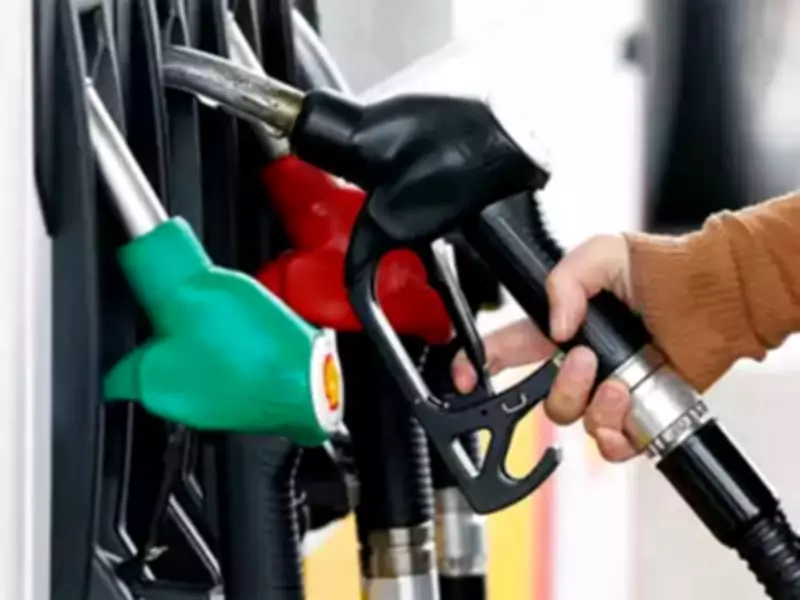
The ongoing West Asia conflict is prompting the Indian government to accelerate its transition towards renewable energy sources, including a potential increase in ethanol blending in petrol from the current 20% to 25%, albeit in a calibrated manner. This move will be accompanied by enhanced domestic refining capacity to create a buffer in the system and improve national resilience, according to officials familiar with the discussions.
Refining Capacity Expansion
Efforts are underway to boost refining capacity across the country. The Barmer refinery has commenced operations, while expansion at Numaligarh is in progress. Additionally, integrated refineries on the west coast are being prioritized, with plans for a mega refinery in Maharashtra and a new facility in Gujarat.
Officials emphasize that increasing the share of renewables, biofuels, and hydrogen in the energy mix is no longer just an environmental concern but a strategic necessity. The military conflict in West Asia has disrupted global energy supplies, leading to supply crunches and surging oil and gas prices.

Benefits of Ethanol Blending
India's current 20% ethanol blending program has already yielded significant benefits, saving 4.5 crore barrels of crude oil annually and reducing foreign exchange outflows by approximately ₹1.5 lakh crore. However, concerns about fuel efficiency and potential impacts on vehicles mean the government will adopt a gradual approach to address these anxieties.
The third pillar of India's energy strategy involves expanding strategic petroleum reserves to further cushion against global supply disruptions.