In a landmark move set to reshape global trade dynamics, the European Union and the South American bloc Mercosur have officially inked a historic free trade agreement. The signing ceremony, held in Rio de Janeiro, marks the culmination of over two decades of complex and often stalled negotiations.
A Quarter-Century in the Making
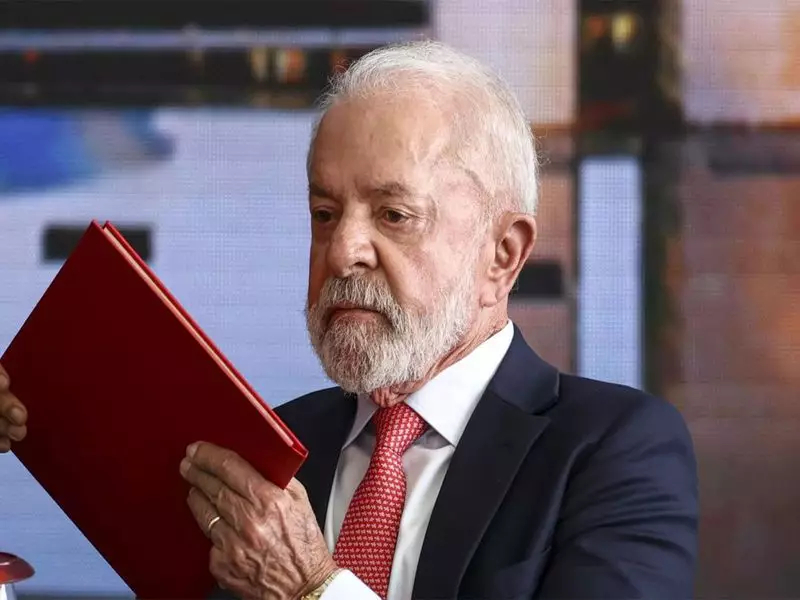
Brazilian President Luiz Inácio Lula da Silva, a key proponent of the deal, presided over the event alongside European Commission President Ursula von der Leyen and other regional leaders. Lula described the moment as a "historic day for multilateralism," emphasising the pact's significance beyond mere commerce. The negotiations, which began in 1999, faced numerous hurdles, including environmental concerns from Europe and protectionist pressures within Mercosur nations.
The agreement was finalised on the sidelines of a two-day summit of the Community of Latin American and Caribbean States (CELAC). This timing underscored the broader geopolitical alignment the deal represents. The EU-Mercosur pact is poised to create one of the world's largest free trade zones, linking a market of approximately 780 million consumers.

Key Provisions and Economic Impact
The comprehensive deal aims to eliminate tariffs on over 90% of the goods traded between the two economic blocs. For Mercosur nations—Brazil, Argentina, Paraguay, and Uruguay—this promises significantly improved access for key exports like agricultural products, including beef, poultry, soybeans, and coffee. In return, European industries, particularly automotive, machinery, chemicals, and pharmaceuticals, will gain a substantial foothold in the South American market.
Beyond tariffs, the agreement includes chapters on intellectual property rights, government procurement, and sustainable development. A critical and often contentious component is a dedicated addendum on environmental and climate commitments. This side agreement addresses European demands for guarantees against deforestation linked to agricultural expansion in the Amazon and other critical biomes.
Navigating Ratification and Future Challenges
While the political signing is a monumental step, the journey is far from over. The agreement must now undergo a rigorous ratification process. This involves approval by the European Parliament, the national parliaments of all 27 EU member states, and the legislatures of the four Mercosur countries. This process could take several years and is not guaranteed, as resistance from certain agricultural sectors and environmental groups in Europe remains potent.
President Lula positioned the deal as a counterpoint to protectionist trends globally, stating it proves that "in a world of uncertainties... it is possible to integrate based on rules." The agreement is also seen as a strategic move by both blocs to diversify trade partnerships and reduce economic dependencies on other major powers.
For India, a nation actively negotiating its own trade pacts with both the EU and Mercosur, this development sets a new benchmark. It increases the pressure and provides a complex template for future agreements, highlighting the growing importance of integrating environmental and sustainability clauses into core trade architecture. The successful implementation of this deal could redirect global trade flows and influence the standards for 21st-century economic partnerships.