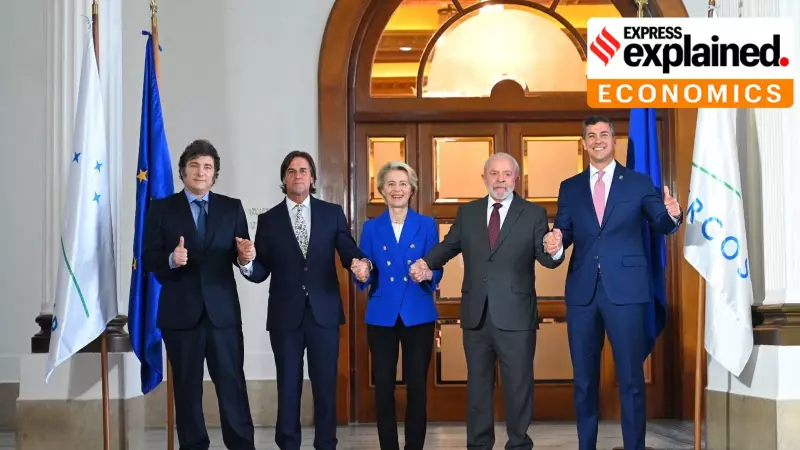
In a landmark move for global trade, the European Union and the South American bloc Mercosur are poised to sign a historic free trade agreement (FTA) in Asuncion, Paraguay, on January 17. This concludes a marathon negotiation process that began back in 1999.
A Quarter-Century in the Making
The deal, formally concluded by European Commission President Ursula von der Leyen in December 2024, received the green light from EU member state ambassadors on January 9, 2026, with a vote of 21-5. The European Commission touts this as its largest-ever agreement in terms of tariff reductions. It is projected to eliminate over €4 billion (approximately $4.7 billion) in duties levied on EU exports.
Mercosur, comprising Brazil, Argentina, Paraguay, Uruguay, and Bolivia, currently imposes high tariffs on European goods—up to 35% on car parts, 28% on dairy, and 27% on wines. The new FTA will dramatically reshape this landscape.

What the Agreement Delivers
The core of the deal involves phased tariff elimination. Mercosur will remove duties on 91% of EU exports over 15 years, a significant jump from the current 35%. In return, the EU will progressively eliminate duties on 92% of Mercosur's exports within a decade.
To protect sensitive domestic industries, both sides have established quotas. The EU will maintain import limits on products like poultry, pork, sugar, and rice. Notably, it has agreed to a new quota for 99,000 metric tons of beef from Mercosur. Conversely, Mercosur will grant the EU a duty-free 30,000-ton quota for cheeses. The agreement also grants Geographical Indication (GI) protection to around 350 iconic EU food and drink products, safeguarding them from imitation.
The deal includes environmental and market safeguards. The EU can suspend preferential treatment for Mercosur products like beef and sugar if agreed conditions on sustainability are not met. Additional measures include a crisis fund for farmers and strengthened import controls.
Opposition and Global Significance
Despite the overwhelming support, the deal faced resistance. France, Poland, Austria, Hungary, and Ireland voted against it, with Belgium abstaining. French and Polish farmers staged protests, highlighting core concerns about agricultural competition and environmental standards. Critics argue cheaper South American imports could undercut EU farmers and that the pact lacks strong, enforceable measures against deforestation in regions like the Amazon.
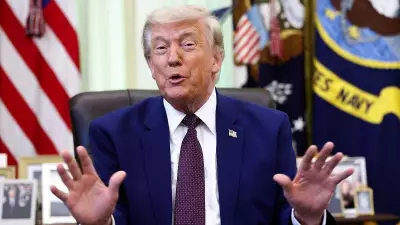
Proponents counter that the agreement is strategically vital. It signals the EU's intent to diversify trade partnerships and deepen engagement with the Global South, especially amid increased Chinese influence and the turbulent global trade environment following Donald Trump's return to the US presidency. An analysis by Bloomberg Economics estimates the deal could boost the Mercosur economy by 0.7% and Europe's by 0.1%.
Critically, the pact enhances the EU's access to essential raw materials, reducing dependency on China. Brazil holds 20% of global reserves of graphite, nickel, manganese, and rare earths, while Argentina is the world's third-largest lithium producer, a metal crucial for battery technology.