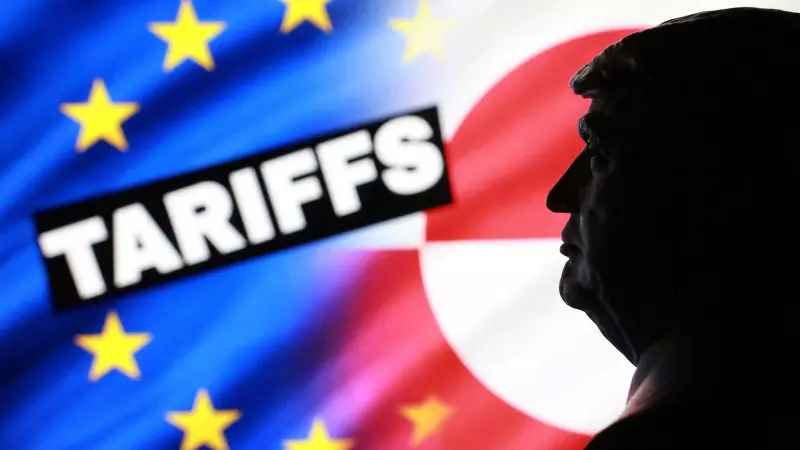
The landmark EU-US trade agreement is now on the brink of collapse. This dramatic shift comes directly in response to new tariff threats from the United States. President Donald Trump has announced an additional ten percent tariff on eight European nations. He linked this move directly to the contentious issue of Greenland's potential takeover.
European Parliament Blocs Unite to Halt Ratification
Key political groups within the European Parliament are taking decisive action. They plan to stop the legal ratification process for the trade deal. The largest group, the centre-right European People's Party (EPP), has made its position clear. The second-largest bloc, the Socialists and Democrats (S&Ds), has joined them in this stance.
Together, these two groups hold significant power. They represent 324 out of the 720 seats in the parliament. Their unified opposition creates a major roadblock for the deal's approval.

Liberal Renew Group Adds Its Voice to the Opposition
The liberal Renew group has now declared it will also oppose the deal. Valerie Heyer, the French MEP who leads the group, issued a strong statement. She called President Trump's threats to impose increased customs duties "unacceptable."
"These announcements follow many other aggressive actions towards the EU," Heyer stated. "Therefore, it is now time to move from reliance to deterrence. Consequently, Renew Europe cannot vote for the EU-US Turnberry trade deal."
Heyer went further, suggesting the European Union must prepare countermeasures. She explicitly mentioned considering the activation of the EU Anti-Coercion Instrument. This tool was designed precisely for situations involving economic intimidation.
Key Leaders Explain Their Decision to Block the Deal
Manfred Weber, head of the EPP, explained his group's difficult position. "The EPP is in favour of the EU–US trade deal," Weber said. "But given Donald Trump’s threats regarding Greenland, approval is not possible at this stage. The zero percent tariffs on US products must be put on hold."
Kathleen Van Brempt, vice president for trade for the S&Ds, echoed this sentiment. She stated there could be "no trade deal under given circumstances." Her remarks highlight the growing frustration among European lawmakers.
Bernd Lange, the German MEP who chairs the EU's influential trade parliamentary committee, also spoke out. "In view of the threat of imposing an additional 10% tariff from 1 February, I cannot imagine that we will continue business as usual," Lange said. "I assume that we will suspend our continued work."
Background of the Troubled EU-US Trade Agreement
The deal, known as the Turnberry trade deal, entered into force in the United States last year. It imposed tariffs of fifteen percent on imports from the European Union. However, the European Parliament has not yet ratified the agreement. Lawmakers were already seeking amendments, expressing concerns it was lopsided.
Many had complained the deal required the EU to cut most import duties. Meanwhile, the United States maintained a broad tariff rate of fifteen percent. This perceived imbalance fueled skepticism long before the latest crisis.
The High Stakes of Suspending the Agreement
Freezing the ratification process carries significant risks. It will almost certainly anger the Trump administration. This could lead to even higher US tariffs on European goods. The administration has already ruled out any concessions, such as cutting tariffs on spirits or steel, until the deal is fully in place.
The situation creates a tense standoff. European leaders feel compelled to respond to what they see as economic coercion. Yet they also fear escalating a trade war that could harm economies on both sides of the Atlantic. The decision to halt the deal marks a pivotal moment in transatlantic relations, moving from negotiation to confrontation.