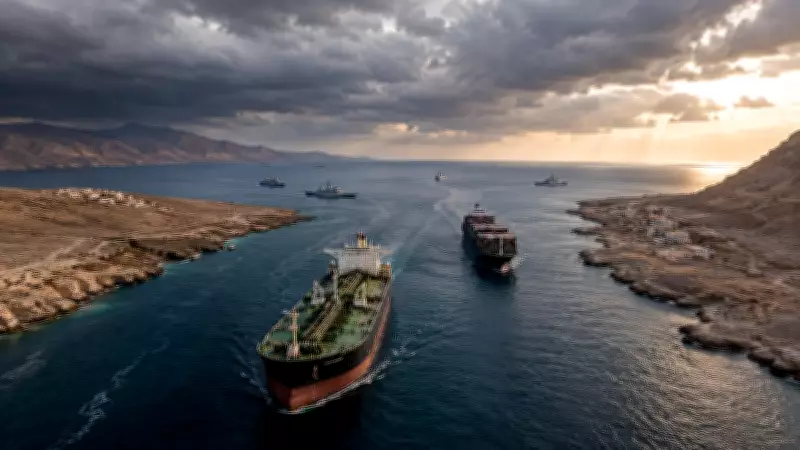
Iranian officials have recently threatened to block the Bab El-Mandeb strait, a critical maritime chokepoint connecting the Red Sea to the Gulf of Aden. This move comes as tensions escalate in the Middle East, with officials linking the future of this strategic waterway to the ongoing conflicts in Lebanon and Gaza. The threat follows earlier warnings about the Strait of Hormuz, highlighting Iran's leverage over global shipping lanes.
Why Bab El-Mandeb Matters
The Bab El-Mandeb strait, meaning "Gate of Tears" in Arabic, is a narrow passage between Yemen on the Arabian Peninsula and Djibouti and Eritrea in the Horn of Africa. It is a vital artery for global trade, with an estimated 10% of the world's maritime oil shipments passing through it. Closure of the strait would force tankers to take the much longer route around the Cape of Good Hope, significantly increasing shipping costs and disrupting energy supplies.
Strategic Importance
For Iran, threatening Bab El-Mandeb is a way to exert pressure on regional adversaries and the international community. The strait is a key transit point for oil from the Persian Gulf to Europe and the Americas. Any disruption could have severe consequences for the global economy, particularly for oil prices and supply chains.

- Geopolitical leverage: By linking the strait's security to conflicts in Lebanon and Gaza, Iran aims to gain bargaining power in negotiations.
- Regional impact: Countries like Saudi Arabia, Egypt, and Jordan rely heavily on the Red Sea route for trade and energy imports.
- Military presence: The United States and its allies maintain a naval presence in the region to ensure freedom of navigation.
Comparison with the Strait of Hormuz
While the Strait of Hormuz is often in the spotlight due to its role in Persian Gulf oil exports, Bab El-Mandeb is equally crucial. The strait is narrower and more vulnerable to disruption from land-based missiles or naval mines. Iran's ability to threaten both chokepoints amplifies its strategic influence.
Global Reactions
The international community has expressed concern over Iran's threats. The United States has reiterated its commitment to keeping the strait open, while the European Union has called for restraint. Shipping companies are already assessing alternative routes, which could lead to higher insurance premiums and freight rates.
In conclusion, Iran's threat to block Bab El-Mandeb underscores the fragility of global trade routes in times of conflict. The situation remains fluid, with diplomatic efforts underway to de-escalate tensions. However, the potential for disruption looms large, affecting economies worldwide.