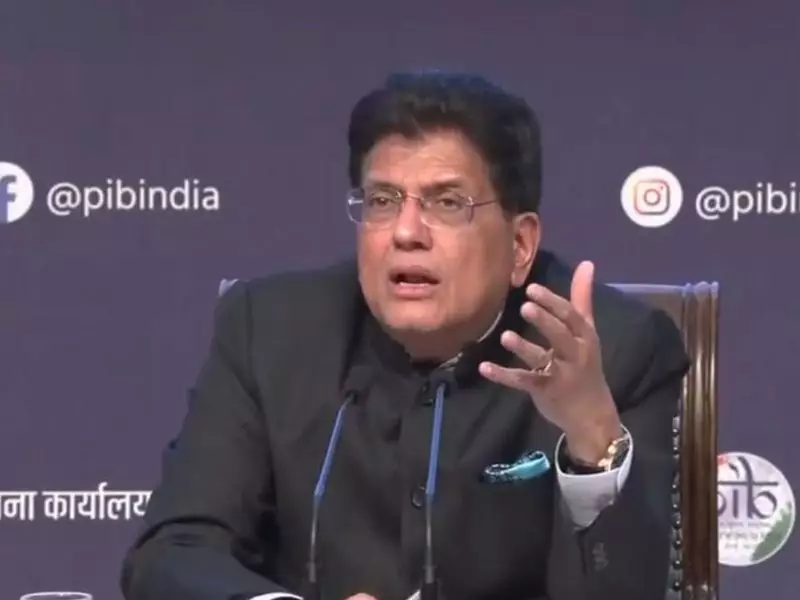
Union Minister for Commerce and Industry, Piyush Goyal, has emphasized the transformative potential of the India-European Union Free Trade Agreement (FTA), describing it as a catalyst for a massive opening up of opportunities across various sectors. This landmark trade deal is poised to significantly enhance bilateral trade, foster investment flows, and stimulate job creation, marking a pivotal moment in India's economic diplomacy.
Strategic Importance of the India-EU FTA
The India-EU Free Trade Agreement represents a strategic alignment between two of the world's largest economies, aiming to reduce tariffs, eliminate trade barriers, and promote seamless market access. Goyal underscored that this agreement is not merely about trade liberalization but about building a robust framework for sustainable and inclusive growth. By aligning standards and regulations, the FTA is expected to boost exports in key Indian sectors such as textiles, pharmaceuticals, and information technology, while also attracting European investments in infrastructure and technology.
Economic Benefits and Sectoral Impact
The anticipated benefits of the India-EU FTA are multifaceted, with Goyal highlighting several key areas:

- Enhanced Trade Volumes: The agreement is projected to increase bilateral trade by streamlining customs procedures and reducing non-tariff barriers, potentially leading to a surge in exports and imports.
- Investment Inflows: European companies are likely to ramp up investments in India, particularly in sectors like renewable energy, automotive, and digital services, fostering innovation and economic diversification.
- Job Creation: As trade and investment expand, the FTA is expected to generate numerous employment opportunities, especially in manufacturing and services, contributing to India's economic resilience.
- Consumer Advantages: Indian consumers may benefit from a wider variety of high-quality European products at competitive prices, while European markets gain access to affordable Indian goods.
Challenges and the Way Forward
While the India-EU Free Trade Agreement promises substantial gains, Goyal acknowledged that negotiations involve complex issues such as intellectual property rights, data localization, and environmental standards. However, he expressed confidence that through collaborative dialogue and mutual understanding, both parties can overcome these hurdles to finalize a comprehensive deal. The minister stressed that this agreement aligns with India's broader vision of becoming a global economic powerhouse, leveraging its demographic dividend and technological prowess.
In conclusion, Piyush Goyal's remarks underscore the India-EU FTA as a cornerstone of future economic cooperation, poised to unlock unprecedented opportunities for growth and development. As negotiations progress, stakeholders across industries are optimistic about the positive ripple effects this trade pact will bring to both regions.