India could face significant challenges as the United States considers ending sanction waivers on Russian oil imports. During a testimony before the Senate Foreign Policy Committee, US Secretary of State Marco Rubio indicated that the final decision regarding the waiver would rest with the Department of Treasury. This development has raised concerns in New Delhi, which has relied on discounted Russian crude to manage its energy costs amid global price volatility.
Potential Impact on India's Energy Security
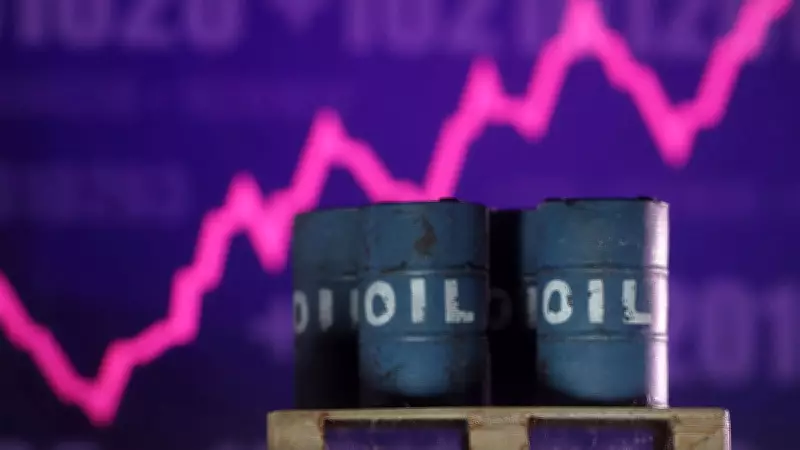
India, the world's third-largest oil consumer, imports over 80% of its crude oil requirements. In recent years, Russian oil has emerged as a key supplier, accounting for nearly one-third of India's imports. The continuation of sanction waivers has allowed Indian refineries to purchase Russian crude at prices below the global benchmark, helping to contain inflation and support economic growth.
If the waivers are revoked, India would be forced to seek alternative sources, likely at higher prices. This could lead to increased fuel costs, higher import bills, and potential strain on the country's foreign exchange reserves. Additionally, it may complicate India's diplomatic balancing act between its strategic partnership with the United States and its historical ties with Russia.

US Strategic Considerations
Secretary Rubio's remarks come amid growing bipartisan pressure in Washington to tighten sanctions on Russia over its ongoing conflict in Ukraine. Lawmakers have argued that waivers allowing countries like India to purchase Russian oil undermine the effectiveness of the sanctions regime. The Treasury Department is expected to weigh economic and geopolitical factors before making a final determination.
India has consistently defended its oil purchases from Russia, citing energy security needs and the absence of any UN sanctions prohibiting such trade. However, the US decision could test the resilience of the Indo-US strategic partnership, which has deepened in recent years through initiatives like the Quad and defense cooperation.
Market and Diplomatic Reactions
Global oil markets are closely watching the development, as any disruption to Russian supply could further tighten markets already strained by OPEC+ production cuts. Indian officials have reportedly begun contingency planning, including exploring increased imports from Iraq, Saudi Arabia, and the United States.
Diplomatically, India is likely to engage with Washington to seek a phased approach or exemptions that minimize economic disruption. The outcome of this decision will be crucial for India's energy strategy and its ability to maintain affordable fuel for its population of over 1.4 billion people.
As the situation evolves, stakeholders across the energy sector will monitor the Treasury Department's decision, which is expected in the coming weeks. The potential end of waivers represents a significant shift in global oil trade dynamics, with far-reaching implications for India and other major importers.