

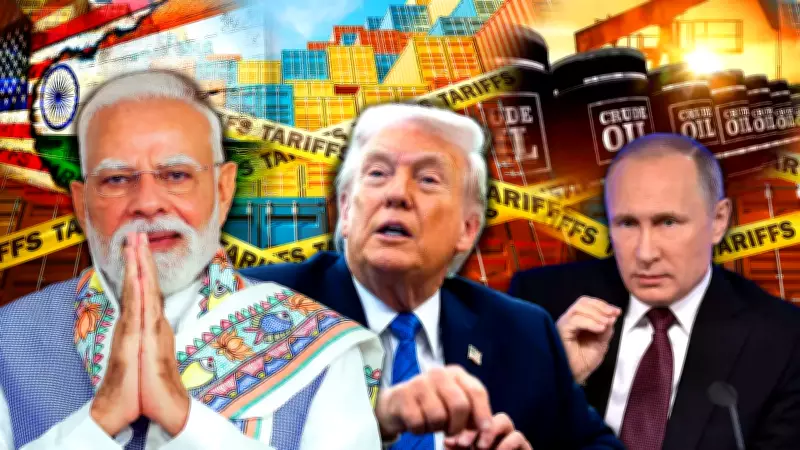
Inside The New India-US Trade Agreement: Lower Tariffs, Bigger Claims, And Russian Oil Pressure
A significant tariff reduction has been officially confirmed, yet the intricate details within the fine print reveal the true narrative behind this development. Following former President Donald Trump's announcement of a comprehensive India–US trade deal, Prime Minister Narendra Modi expressed approval for the lowering of tariffs on Indian exports to 18 percent.
Unconfirmed Claims And Diplomatic Nuances
However, what India has not formally acknowledged are the additional assertions made by Trump, which include the possibility of zero tariffs, a substantial $500 billion purchase commitment, and a complete cessation of Russian oil imports. A senior US official has subsequently clarified that the tariff relief is contingent upon India entirely halting its purchases of Russian crude oil, rather than merely reducing them.
The Critical Energy Security Dilemma
This specific demand directly conflicts with India's longstanding and firm position that the energy security of its 1.4 billion citizens remains the paramount priority. Russia continues to hold the position as India's largest supplier of oil, and Moscow has publicly referenced ongoing contractual agreements that sustain this crucial energy partnership.

Future Implications And Strategic Balance
As bilateral trade negotiations progress, this unresolved question regarding Russian oil imports could ultimately determine whether the new agreement genuinely strengthens the Indo-American partnership or instead reveals underlying diplomatic pressures. The delicate balance between economic cooperation and sovereign energy policy will be closely watched by global observers in the coming months.






