In a significant escalation of regional tensions, Iran has threatened to block the Bab al-Mandeb strait, a critical maritime chokepoint located between the Horn of Africa and the Middle East. This warning comes shortly after similar threats regarding the Strait of Hormuz, raising concerns about global energy security.
What is the Bab al-Mandeb Strait?
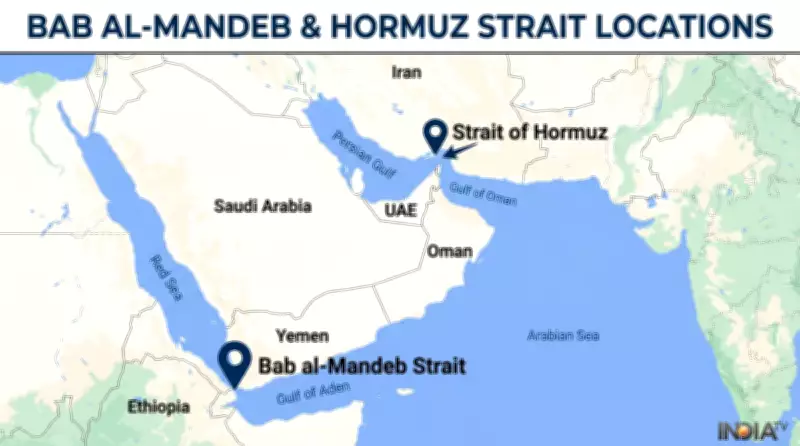
The Bab al-Mandeb strait, meaning 'Gate of Tears' in Arabic, is a narrow waterway connecting the Red Sea to the Gulf of Aden and the Arabian Sea. It is strategically located between Yemen on the Arabian Peninsula and Djibouti and Eritrea in the Horn of Africa. The strait is approximately 20 miles wide at its narrowest point, making it a vital passage for maritime trade and energy shipments.
Importance for Global Energy Supply
According to the U.S. Energy Information Administration, about 4.8 million barrels of oil and petroleum products pass through the Bab al-Mandeb strait daily. This accounts for roughly 5% of global oil consumption. The strait is also a key route for liquefied natural gas (LNG) shipments from Qatar and other Gulf producers to European and North American markets.

Blocking the strait would force tankers to take a much longer route around the Cape of Good Hope in South Africa, significantly increasing shipping costs and transit times. This could lead to higher energy prices worldwide and potential supply disruptions.
Iran's Threat and Regional Context
Iran's threat to block the Bab al-Mandeb strait is part of a broader pattern of using maritime chokepoints as leverage in geopolitical disputes. The country has previously threatened to close the Strait of Hormuz, through which about 20% of global oil passes. The Bab al-Mandeb threat is seen as a way to multiply pressure on the international community, particularly the United States and its allies.
Iran's influence in the region is bolstered by its support for the Houthi movement in Yemen, which controls parts of the coastline along the strait. The Houthis have previously attacked Saudi oil facilities and vessels in the Red Sea, demonstrating their ability to disrupt shipping.
International Response
The international community has reacted with concern. The United States has increased naval patrols in the region and warned Iran against any actions that could disrupt global energy markets. The European Union has called for restraint, while Saudi Arabia and the United Arab Emirates have expressed alarm given their reliance on the strait for oil exports.
Analysts note that while a full blockade is unlikely due to the international naval presence, even the threat of disruption can cause volatility in oil markets. The situation highlights the vulnerability of global energy supply chains to regional conflicts.
Potential Consequences
If Iran were to follow through on its threat, the impact would be immediate and severe. Oil prices could spike, potentially reaching levels seen during previous crises. Countries heavily dependent on Middle Eastern oil, such as India, China, and many European nations, would be particularly affected. The global economy, already grappling with inflation and supply chain issues, could face further strain.
In conclusion, Iran's threat to block the Bab al-Mandeb strait adds a new dimension to the ongoing tensions in the Middle East. The world's energy supply, already under pressure from geopolitical conflicts and the transition to renewable energy, now faces another potential chokepoint. The coming weeks will be critical in determining whether diplomacy prevails or the situation escalates into a full-blown crisis.