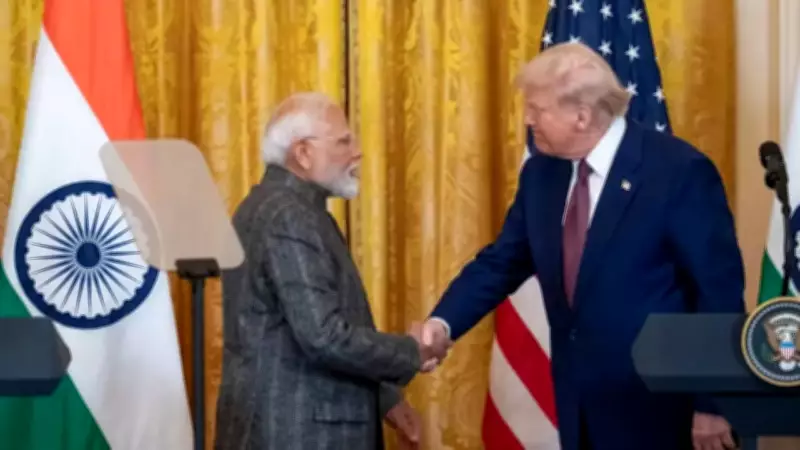
US Trade Representative Jamieson Greer announced on Tuesday that the Donald Trump administration is actively working to formally finalize the trade agreement recently announced with India. In an interview with CNBC, Greer emphasized that while the specifics and details are already established, the administrative process of "papering" the agreement is nearing completion.
Agricultural Protections Maintained by India
Greer highlighted a key aspect of the deal, noting that New Delhi "is maintaining protection around agricultural goods." This indicates that India has secured safeguards for its agricultural sector as part of the broader trade negotiations, ensuring that sensitive farm products remain shielded from immediate liberalization.
Industrial Tariffs to Drop Sharply
Simultaneously, Greer revealed that the agreement will lead to significant openings in India's industrial sector. He stated, "India's industrial goods tariffs will go to zero from 13.5%," marking a substantial reduction that is expected to boost trade flows and enhance market access for US industrial exports to India.

Monitoring Energy Trade Patterns
In addition to trade terms, Greer addressed energy trade dynamics, mentioning that the US administration has been closely tracking India's energy trade patterns. He specifically pointed out, "Have been monitoring Indians winding down purchase of Russian oil," and suggested there are "a lot of opportunities for India to diversify supply and buy more US product." This comment underscores the strategic dimension of the trade relationship, linking it to broader geopolitical and energy security considerations.
Background and Recent Developments
Greer's remarks followed the official announcement of the trade agreement between India and the United States. On February 2, US President Donald Trump declared that Washington would cut reciprocal tariffs on Indian goods to 18% after a phone conversation with Prime Minister Narendra Modi, effectively sealing the pact. This move is seen as a step towards resolving long-standing trade disputes and fostering stronger economic ties between the two nations.
The trade deal, as outlined by Greer, balances India's protective measures in agriculture with aggressive tariff reductions in the industrial sector, while also touching upon energy trade diversification. It reflects ongoing efforts to deepen bilateral trade relations amid global economic shifts.