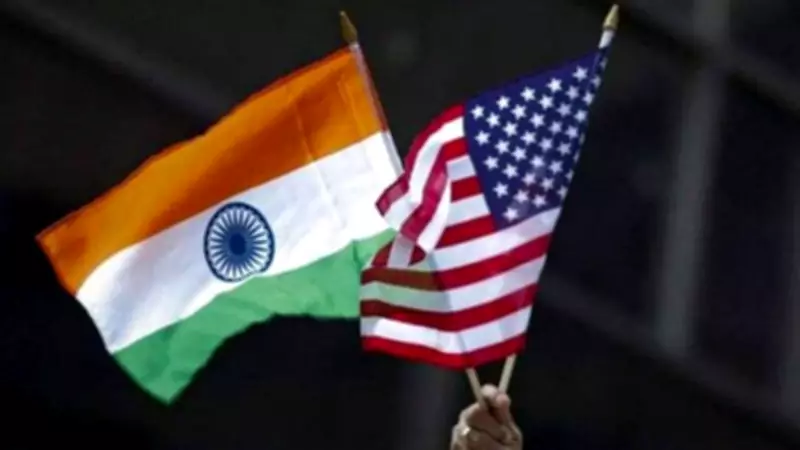
US and India Forge Interim Trade Framework, Paving Way for Comprehensive Pact
In a landmark development, the United States and India have jointly unveiled an interim trade framework, signaling a pivotal move toward finalizing a broad bilateral agreement. This strategic initiative aims to deepen economic cooperation, streamline trade processes, and address long-standing barriers between the two nations.
Key Components of the Interim Framework
The interim framework establishes a structured pathway for negotiations, focusing on critical areas such as tariff reductions, market access, and regulatory alignment. It serves as a foundational step to build consensus and resolve outstanding issues before advancing to a more comprehensive pact.
Objectives of the Framework:- Enhance bilateral trade by reducing tariffs and non-tariff barriers.
- Promote investment flows and foster innovation through collaborative efforts.
- Address intellectual property rights and digital trade concerns to support modern economies.
Implications for US-India Economic Relations
This interim agreement is expected to bolster economic ties, with potential benefits for sectors like technology, agriculture, and manufacturing. By moving closer to a broad pact, both countries aim to create a more predictable and conducive environment for businesses, thereby stimulating growth and job creation.

The announcement underscores the commitment of US and Indian leaders to prioritize economic diplomacy, with ongoing discussions set to refine details and accelerate progress toward a final agreement.