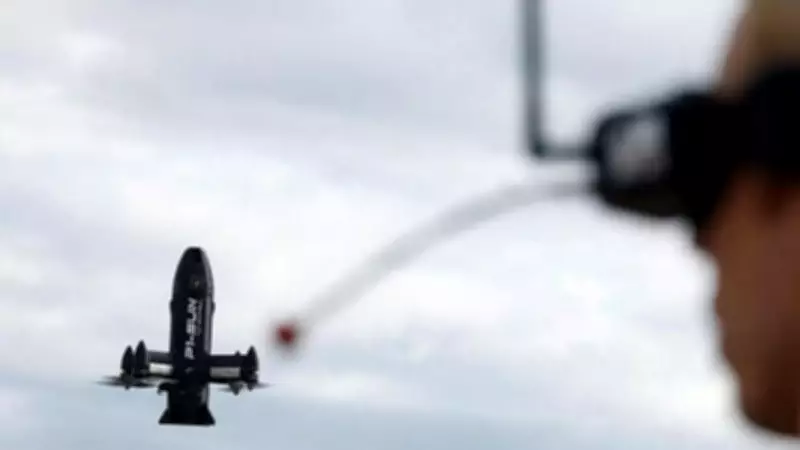
Low-Cost Drones Reshape Middle East Conflict, Posing Major Threat to Iran
In the volatile landscape of the Middle East, a new era of warfare is emerging, driven by the proliferation of inexpensive drones. These unmanned aerial vehicles, often costing a fraction of traditional military hardware, are fundamentally altering the dynamics of regional conflicts, particularly in engagements involving Iran. Designed to wreak havoc with minimal investment, these drones are becoming a weapon of choice for state and non-state actors, challenging conventional defense systems and escalating tensions across the region.
The Rise of Asymmetric Warfare with Drones
The strategic shift towards drone warfare represents a significant evolution in military tactics. Unlike high-cost fighter jets or missiles, cheap drones offer a cost-effective means to conduct surveillance, gather intelligence, and execute precision strikes. This accessibility has democratized aerial combat, allowing smaller forces to project power and disrupt adversaries with unprecedented efficiency. In conflicts with Iran, these drones have been deployed to target critical infrastructure, military installations, and urban centers, causing widespread disruption and economic damage.
The impact is profound: Iran, with its advanced but expensive defense systems, finds itself vulnerable to swarms of low-tech drones that can overwhelm radar and anti-aircraft measures. This asymmetry forces a reevaluation of military spending and defense strategies, as traditional approaches struggle to counter the sheer volume and affordability of these threats.

Technological and Strategic Implications
The design and deployment of these drones highlight key technological advancements in modern warfare. Many are equipped with basic guidance systems, explosives, or cameras, making them versatile tools for both offensive and reconnaissance missions. Their small size and low altitude flight capabilities often allow them to evade detection, posing a persistent challenge to air defense networks. In the context of the war with Iran, this has led to increased incidents of cross-border attacks, proxy conflicts, and heightened regional instability.
Experts note that the use of such drones is not limited to state actors; non-state groups and militias have also adopted them, further complicating the security landscape. This proliferation underscores a broader trend towards hybrid warfare, where conventional and unconventional tactics blend to create complex, multi-front engagements.
Regional and Global Consequences
The widespread adoption of cheap drones in the Middle East has far-reaching consequences. For Iran, it means facing a persistent threat that can strike with little warning, draining resources and forcing defensive postures. Regionally, it fuels arms races and incentivizes investments in counter-drone technologies, such as electronic jammers and laser systems. Globally, this trend raises concerns about the export and misuse of drone technology, potentially spreading similar conflicts to other volatile regions.
Key points to consider include:
- The economic impact of drone attacks on infrastructure and trade routes.
- The ethical and legal dilemmas surrounding autonomous or remotely piloted strikes.
- The potential for escalation into larger-scale conflicts as drone usage becomes more entrenched.
As these drones continue to shape the war with Iran, stakeholders are grappling with how to mitigate risks while adapting to this new reality. The future of Middle East security may hinge on innovations in both offensive drone capabilities and defensive countermeasures, making this a critical area of focus for military planners and policymakers alike.