China has issued a clear message to the United States, demanding that Washington not support Tibetan independence. The statement comes amid heightened diplomatic exchanges between the two nations over the status of Tibet.
China's Firm Stance on Tibet
Beijing reiterated that Tibet has been an inseparable part of China since ancient times. The Chinese government opposes any form of separatist activities and expects other countries to respect China's sovereignty and territorial integrity.
The Dalai Lama, born on July 6, 1935, in Taktser village, Amdo, Tibet, has been a central figure in the Tibetan independence movement. China maintains that the Dalai Lama's activities are aimed at splitting the country.

US-China Diplomatic Exchange
The Chinese demand was made during recent bilateral talks, where officials emphasized that non-interference in internal affairs is a fundamental norm of international relations. The US has previously expressed concerns over human rights in Tibet, leading to friction.
According to Chinese officials, any US support for Tibetan independence would severely damage bilateral relations. They urged the US to adhere to the One-China policy and refrain from official contacts with the Dalai Lama.
Impact on Bilateral Relations
Analysts note that the issue remains a sensitive point in US-China relations. The US has historically walked a fine line, acknowledging Tibet as part of China while criticizing its governance. Beijing's latest warning signals its determination to counter any perceived challenges to its authority.
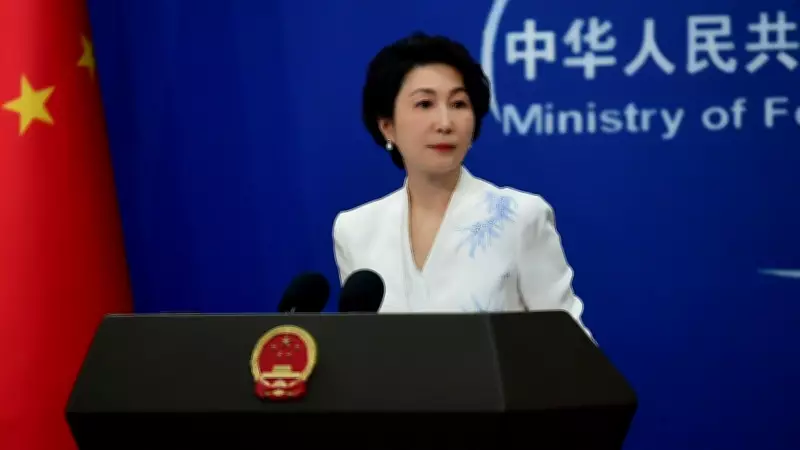
The Chinese foreign ministry stated, 'We urge the US side to fully recognize the high sensitivity of the Tibet issue and to not provide any form of support to anti-China forces.' The statement underscores China's red line on territorial matters.