China Applauds US-Iran Breakthrough
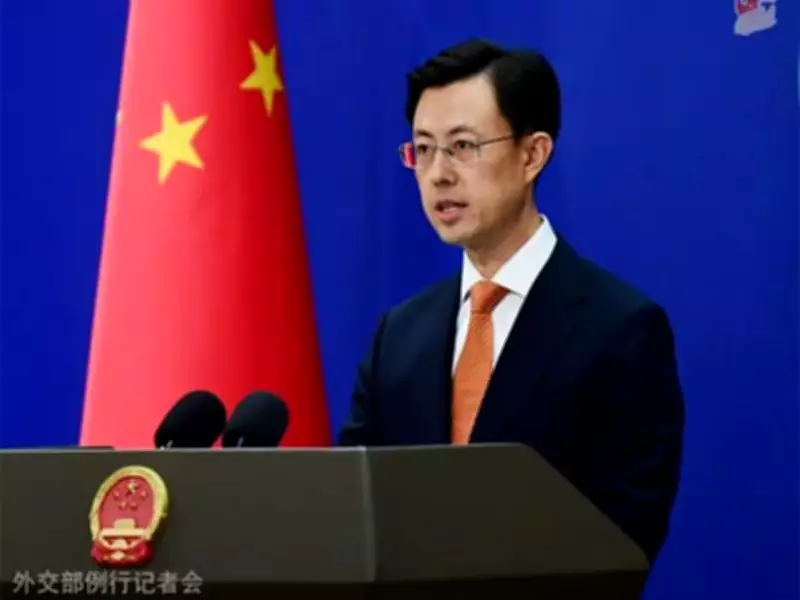
China's Foreign Ministry has expressed strong support for the recent diplomatic accord between the United States and Iran, describing the interim agreement as a 'positive signal' for global stability. Spokesperson Guo Jiakun, during a press briefing in Beijing, emphasized the importance of all parties jointly safeguarding and implementing the newly signed Memorandums of Understanding (MoUs) to ensure long-term peace.
Guo reaffirmed China's consistent diplomatic stance in West Asia, stating that Beijing 'always upholds a just position, supports all efforts conducive to peace, supports the Iranian side in defending sovereignty, security, territory, and national dignity, and supports Iran in improving its relations with Gulf states and regional countries.' This statement underscores China's backing of Tehran's core interests amid the evolving framework.
The Islamabad Understanding: A 14-Point Framework
The breakthrough occurred on June 14, when Iran and the US announced a 14-point framework aimed at halting hostilities and resolving disputes through dialogue. Formally known as the Islamabad Understanding, the memorandum took effect on June 18 after digital signatures from Iranian President Masoud Pezeshkian and US President Donald Trump. The accord focuses on reopening the Strait of Hormuz, easing certain financial restrictions on Tehran, and outlining expectations for technical talks on Iran's nuclear program.

According to a senior US administration official, the published text of the MoU does not include any references to restrictions on Iran's missile infrastructure or its broader defense network. The only weapons-related clause is Tehran's commitment not to 'procure or develop nuclear weapons,' marking a notable shift in Washington's diplomatic posture.
Iran's Missile Program Excluded from Agreement
President Pezeshkian, during a news conference in Islamabad as part of an official visit to Pakistan, firmly clarified that Iran's missile program remains entirely outside the scope of the agreement. 'The discussion over our missiles does not exist in the MoU, and it never will,' he asserted, as broadcast by Iranian state media IRIB. He defended the missile program as a critical element of Tehran's deterrence strategy, warning that without these defense missiles, Israel and the United States would have devastated Iran.
This unyielding stance aligns with the official text of the MoU released by the US. US President Donald Trump, who previously cited curbing Iran's missile capabilities as a justification for military operations, softened his rhetoric during the G7 summit in France, stating that 'missiles aren't the problem.' This evolution in Washington's position reflects the pragmatic nature of the negotiations.
China's Role and Regional Implications
China's endorsement of the accord and its support for Iran's sovereignty highlight Beijing's growing influence in West Asian diplomacy. By backing Tehran's stance on the missile program, China reinforces its role as a key player in regional stability. The Islamabad Understanding, while focusing on the Strait of Hormuz and nuclear talks, leaves Iran's defense capabilities untouched—a point that both Tehran and Beijing have emphasized.
The agreement is seen as a step toward de-escalation in the region, with potential economic benefits from reopened shipping lanes. However, the exclusion of missile restrictions may fuel concerns among Gulf states and Israel. China's call for collective safeguarding of the MoU suggests a desire for a multilateral approach to long-term peace in West Asia.