

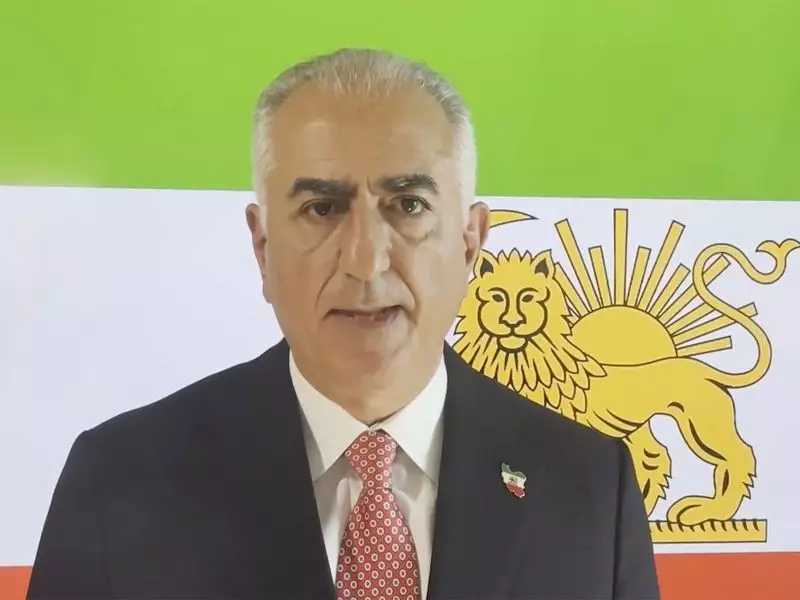
In a significant development from the Iranian diaspora, exiled Crown Prince Reza Pahlavi has declared that global assistance is forthcoming for the protestors in Iran and expressed confidence that the people will soon "reclaim" the nation. His statement comes as the country grapples with its most sustained and widespread wave of demonstrations in years, triggered by the death of 22-year-old Mahsa Amini in September.
A Voice from Exile: Pahlavi's Call for Unity and International Support
Speaking from his base outside Iran, Reza Pahlavi, the son of the last Shah of Iran, addressed the ongoing civil unrest. He emphasized that the current protests, which have entered their third month, represent a fundamental rejection of the theocratic regime. "The world is with you," he assured the Iranian people, signaling a belief that international pressure and support are aligning with the domestic uprising.
Pahlavi, who has lived in exile since the 1979 Islamic Revolution, called for unprecedented unity among opposition groups, both secular and religious, to form a cohesive transition plan. He stressed that the goal is not about restoring a monarchy but about establishing a secular democratic republic based on a referendum by the Iranian people. His comments aim to bridge divides within the opposition, presenting a vision for a future beyond the current leadership.

The Spark and the Fire: The Mahsa Amini Protests Continue
The protests, which show no signs of abating, were ignited by the tragic death of Mahsa (Jina) Amini on September 16. The young woman died in custody after being arrested by Iran's morality police for allegedly violating the country's strict hijab laws. Her death became a powerful symbol of state oppression, mobilizing citizens across social strata, ethnicities, and ages.
Despite a severe crackdown involving internet blackouts, mass arrests, and lethal force—reportedly leading to over 300 deaths—the movement has evolved from initial anger over hijab rules to a broader call for "Woman, Life, Freedom" and an end to the Islamic Republic itself. The resilience of the protesters, led prominently by women and youth, has surprised analysts and drawn global attention.
Global Repercussions and the Path Forward
The international community has taken note. Several Western nations have imposed new sanctions on Iranian officials and entities linked to the suppression of protests. The United Nations Human Rights Council recently voted to establish a fact-finding mission to investigate alleged abuses, a move opposed by Tehran. Pahlavi's statement seeks to channel this growing international scrutiny into tangible support for the protest movement.
However, significant challenges remain. The regime retains control over security forces and has shown willingness to use extreme violence. The opposition abroad is fragmented, and the path from street protests to political change is fraught with uncertainty. Yet, the sustained nature of the unrest and the clear, systemic demands of the protesters mark a pivotal moment in Iran's modern history.
As Reza Pahlavi and other figures work to consolidate international backing, the world watches to see if this uprising will become the catalyst for the profound regime change that many are now openly predicting. The coming weeks will be critical in determining whether the momentum can be sustained against the regime's relentless crackdown.






