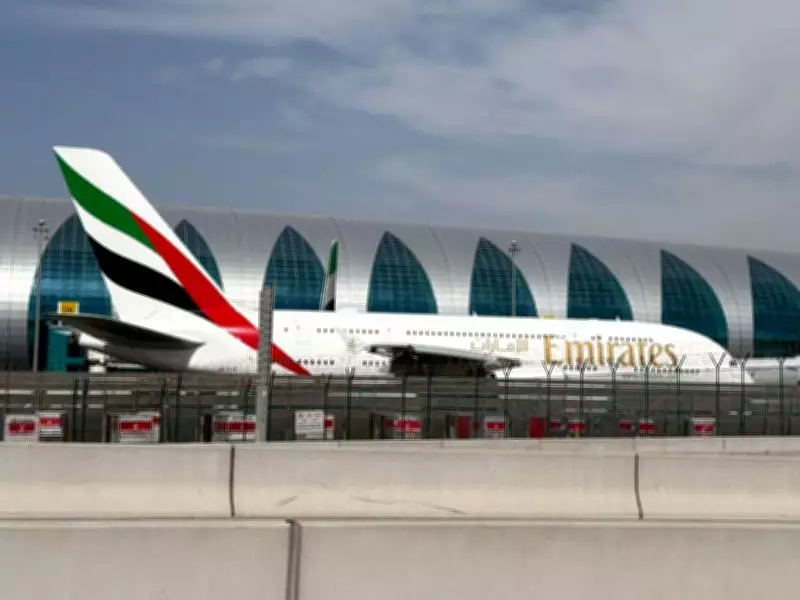
Gulf Carriers Resume Limited Flight Operations Amid Regional Volatility
In a cautious move reflecting the tense geopolitical climate, major Gulf-based airlines have resumed operations with a significantly reduced schedule. This decision comes amidst ongoing regional volatility and security concerns that have disrupted air travel across the Middle East. The carriers are operating a limited number of flights, prioritizing essential routes while closely monitoring the situation for passenger safety.
Navigating Heightened Tensions in the Middle East
The resumption of flights by Gulf carriers is a strategic response to the complex security environment. Airlines such as Emirates, Qatar Airways, and Etihad Airways have implemented contingency plans, adjusting their flight paths and schedules to avoid areas of heightened risk. This operational shift underscores the aviation industry's challenges in maintaining connectivity during periods of regional instability, with carriers balancing economic pressures against stringent safety protocols.
The limited flight operations are primarily focused on key international corridors, ensuring that critical travel links remain open for diplomatic, business, and repatriation purposes. Passengers are advised to expect delays and potential cancellations, as airlines remain vigilant to any escalation in regional conflicts that could impact airspace safety.

Impact on Global Aviation and Passenger Travel
The volatility in the Gulf region has sent ripples through the global aviation network, affecting flight connectivity between Asia, Europe, and Africa. Major hubs like Dubai, Doha, and Abu Dhabi, which serve as crucial transit points, are experiencing reduced traffic, leading to logistical challenges for airlines and inconvenience for travelers. Industry analysts note that this situation could have broader economic implications, including increased operational costs and reduced tourism revenue for Gulf nations.
Aviation authorities are coordinating closely with international bodies to assess risks and provide updated guidance to airlines. The resumption of limited flights is seen as a temporary measure, with carriers prepared to scale back operations further if security conditions deteriorate. This proactive approach aims to minimize disruptions while safeguarding the well-being of passengers and crew.
In summary, Gulf carriers' decision to resume limited flight operations highlights the delicate balance between maintaining essential air services and responding to regional volatility. As the situation evolves, the aviation industry remains on high alert, adapting to ensure safe and reliable travel amidst ongoing uncertainties in the Middle East.