Hezbollah Leader Naim Qassem Declares Readiness for War Amid Escalating Middle East Tensions
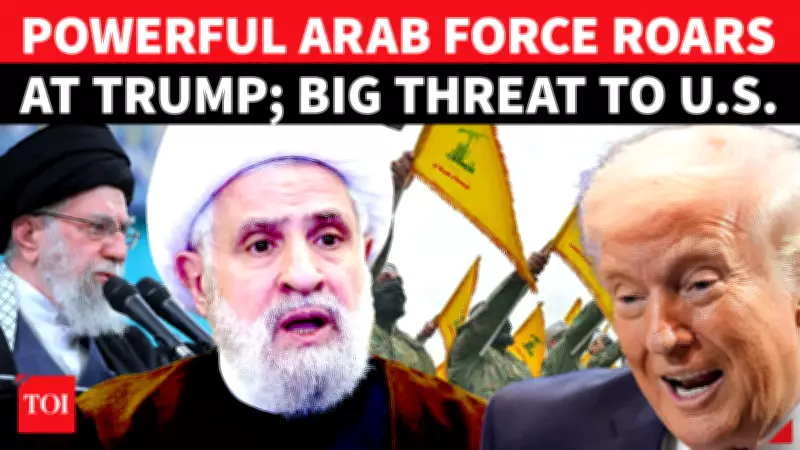
In a powerful address at a commemoration event for former leaders, Hezbollah's Secretary General Naim Qassem has delivered a stark message, asserting the movement's preparedness to respond to any aggression and uphold what he termed a legitimate right to defend its territory. His remarks come at a time of heightened geopolitical friction involving Iran, Israel, and the United States, with senior Iranian military officials echoing similar sentiments of deterrence.
Qassem's Defiant Stance on Victory or Martyrdom
Naim Qassem emphasized Hezbollah's resilience in the face of regional pressures, stating the group is ready for "both scenarios — victory or martyrdom." This declaration underscores a deep-seated commitment to resistance, reflecting the organization's historical posture in conflicts. He criticized U.S. President Donald Trump and his "Peace Through Strength" approach, labeling it as provocative and misaligned with regional stability. Qassem's speech signals a potential escalation, as Arab fighters and allied groups await further directives from Iran's Supreme Leader Ali Khamenei, who holds significant influence over such movements.
Broader Context of Regional Crisis and Military Posturing
The tensions in the Middle East have been intensifying, with parallel statements from Iranian military leaders reinforcing a stance of deterrence against perceived threats from the U.S. and Israel. This environment has fueled concerns over a broader regional crisis, as diplomatic efforts falter and military readiness takes precedence. Qassem's comments align with a pattern of rhetoric aimed at projecting strength and unity among Iran-backed factions, including Hezbollah, which plays a pivotal role in Lebanon and beyond.

Implications for U.S. and Israeli Policies
Hezbollah's preparedness, as articulated by Qassem, poses direct challenges to U.S. and Israeli strategies in the region. The criticism of Trump's policies highlights ongoing friction between Washington and Tehran, complicating efforts to de-escalate conflicts. With Iran's direct threats to American troops in the Middle East and Israel's security concerns, the situation remains volatile. Observers note that any miscalculation could trigger significant military engagements, drawing in multiple actors and exacerbating the humanitarian and geopolitical fallout.
As the world watches, the interplay between Hezbollah's declarations, Iranian leadership, and international responses will likely shape the next phase of Middle East dynamics, with profound implications for global security and diplomacy.