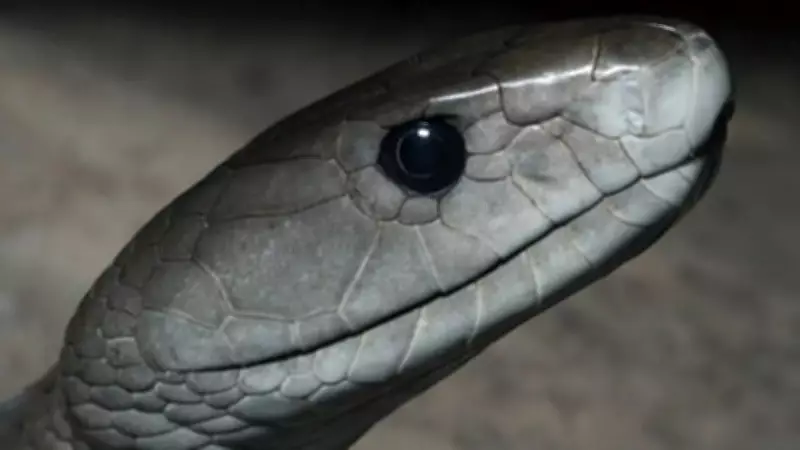
Black mambas are among the most famous venomous snakes globally, renowned for their speed and alertness. These snakes are primarily found in specific regions of Africa and generally avoid human contact. However, many people panic upon spotting a long, dark snake near their homes or gardens, often mistaking harmless species for the black mamba. Understanding their appearance, behavior, and typical hiding places can help in such situations. Here are key cues to identify this reptile around residential areas.
The Shape: Long, Thin, and Smooth
One of the defining features of a black mamba is its long, slender body with a smooth, sleek appearance. Unlike stocky and heavy-bodied snakes, the black mamba's slim physique and rapid movements can make it appear larger than it actually is in garden settings.
The Color: Not Necessarily Black
Contrary to its name, the black mamba's skin is rarely jet black. It can range from dark grey to light grey, depending on age and environmental conditions. The name originates from the dark coloration inside its mouth, which it displays when threatened. This dull coloration provides excellent camouflage among dry leaves and stones.

Garden Spots Where They Hide
Like many snakes, black mambas seek secluded areas for shelter and hunting. Overgrown bushes, piles of stones, wood, compost, and dry leaves are attractive hiding spots. They may also slip into gaps in sheds, unused pipes, or rock crevices.
Signs of a Snake's Presence
While direct evidence is rare, certain signs may indicate a snake is nearby. Unusual rustling in dry leaves, shed snake skins, a sudden silence among birds, or increased rodent activity can be clues. Pets may also behave oddly when sensing a snake in the vicinity.
Stay Calm and Never Attempt to Capture
If you encounter a snake resembling a black mamba, maintain a safe distance. Chasing, startling, or trying to catch a venomous snake is extremely dangerous. Black mambas prefer to flee rather than attack humans. Always contact professional snake catchers if removal is necessary.
Disclaimer
This article is for general informational and educational purposes only. The identification tips are based on commonly known characteristics and general snake behavior. Snake species and appearances vary by region, lighting, age, and environment; many harmless snakes are often mistaken for venomous ones. Readers are strongly advised not to approach, handle, or attempt to remove any wild snake. For safety, always contact trained wildlife authorities or professional snake rescue experts.