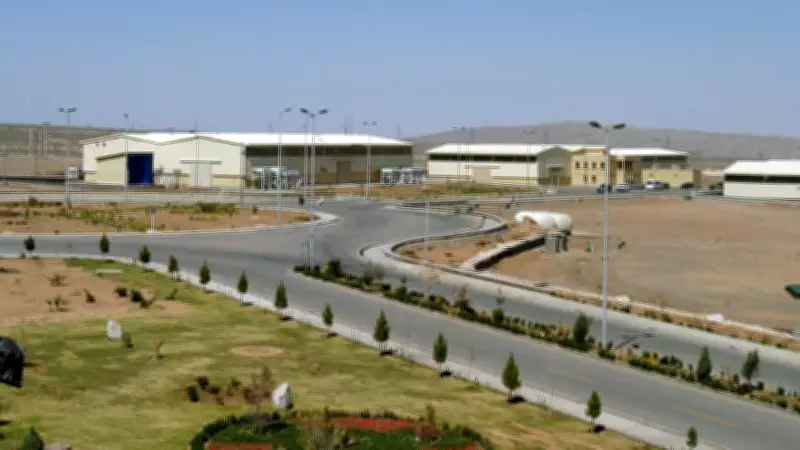
IAEA Confirms Bombing at Iran's Natanz Nuclear Enrichment Plant Entrances
The International Atomic Energy Agency (IAEA) has officially confirmed that entrances to Iran's Natanz uranium enrichment plant were targeted in a bombing incident. This revelation has sent shockwaves through the international community, highlighting significant security vulnerabilities at one of Iran's key nuclear facilities. The IAEA's verification underscores the ongoing tensions surrounding Iran's nuclear program and raises urgent questions about the safety and stability of such critical infrastructure in the Middle East.
Details of the Bombing Incident
According to the IAEA report, the bombing specifically targeted the entrances of the Natanz enrichment plant, which is a central hub for Iran's uranium enrichment activities. The attack did not result in any reported casualties, but it caused substantial damage to the facility's access points, potentially disrupting operations and compromising security protocols. The IAEA has been monitoring the site closely as part of its mandate to oversee nuclear activities under international agreements, and this incident has prompted immediate calls for enhanced inspections and safeguards.
Global Implications and Security Concerns
The bombing at Natanz has far-reaching implications for global nuclear security and diplomatic relations. Iran's nuclear program has long been a point of contention in international politics, with concerns over its potential military applications. This attack exacerbates existing tensions and could lead to escalated conflicts in the region. Experts warn that such incidents may undermine efforts to negotiate peaceful resolutions, as they highlight the vulnerability of nuclear sites to sabotage and terrorism. The IAEA's confirmation adds a layer of urgency to discussions on strengthening international norms to prevent similar breaches in the future.

Iran's Response and Regional Context
Iran has yet to issue a detailed public statement on the bombing, but initial reports suggest that authorities are investigating the incident and assessing the damage. The Natanz plant is located in a sensitive area of Iran, and this attack occurs amid broader geopolitical struggles in the Middle East, including ongoing disputes over nuclear agreements and regional power dynamics. The IAEA's role in verifying the bombing underscores the importance of independent oversight in maintaining transparency and trust in nuclear facilities worldwide.
Future Outlook and Preventive Measures
In light of this incident, the IAEA and international stakeholders are likely to push for stricter security measures at nuclear sites globally. Recommendations may include:
- Enhanced physical protection systems at entrances and perimeters
- Increased surveillance and monitoring by international bodies
- Collaborative efforts to address threats from non-state actors
- Diplomatic initiatives to de-escalate tensions and promote nuclear safety