

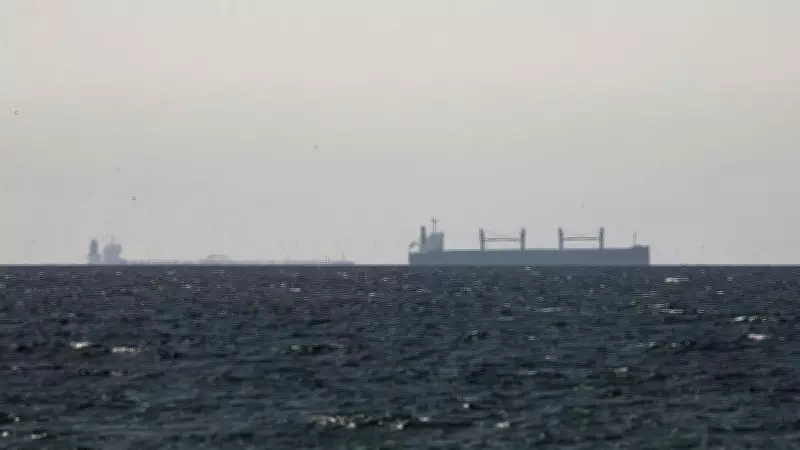
India-Flagged Commercial Tankers Reportedly Granted Safe Passage Through Strait of Hormuz
Recent reports from the Middle East have indicated that multiple India-flagged commercial tankers were permitted to navigate through the strategically vital Strait of Hormuz without incident. This development comes against a backdrop of heightened regional tensions and ongoing maritime security concerns in one of the world's most crucial oil transit routes.
Iran Issues Official Denial of the Claims
In response to these circulating reports, Iranian authorities have issued a firm and categorical denial. Official statements from Tehran assert that no special permissions or allowances were granted to vessels based on their national registry. The Iranian government has emphasized its commitment to standard international maritime protocols and dismissed the allegations as baseless.
Strategic Importance of the Strait of Hormuz
The Strait of Hormuz is a narrow maritime chokepoint connecting the Persian Gulf with the Gulf of Oman and the Arabian Sea. It is arguably the world's most important oil transit corridor, with an estimated one-fifth of global petroleum consumption passing through its waters daily. The security and freedom of navigation in this area are paramount to global energy markets and economic stability.

- It is approximately 21 nautical miles wide at its narrowest point.
- Over 20 million barrels of oil pass through daily.
- It is a critical route for exports from Saudi Arabia, Iran, the UAE, Kuwait, and Iraq.
- The strait has been a focal point of geopolitical tensions for decades.
Context of Regional Tensions and Diplomatic Implications
This incident occurs amidst a complex web of regional rivalries and international diplomacy. The Strait of Hormuz has frequently been a flashpoint, with previous incidents involving tanker seizures, attacks, and heightened naval patrols. The reported passage of India-flagged vessels, followed by Iran's denial, introduces a new layer to ongoing diplomatic engagements in the region.
India, as a major energy importer with significant strategic interests in the Middle East, maintains delicate diplomatic balances with various regional powers. The situation underscores the intricate nature of maritime security and the importance of clear communication channels between nations to prevent misunderstandings that could escalate into broader conflicts.
Analysis of Maritime Security and Global Trade Concerns
The safe and uninterrupted flow of commercial shipping through international waterways is a cornerstone of the global economy. Incidents or perceived threats in chokepoints like the Strait of Hormuz can lead to market volatility, increased insurance premiums for shipping, and potential disruptions to energy supplies worldwide.
Experts note that such reports, whether confirmed or denied, highlight the fragile nature of maritime security in strategically sensitive regions. They emphasize the need for robust international frameworks and cooperative mechanisms to ensure the safety of commercial vessels and crew.The denial from Iran serves to reinforce official narratives while leaving room for continued observation and verification by international maritime authorities and independent observers. The situation remains fluid, with stakeholders closely monitoring developments that could impact global trade routes and diplomatic relations in the Middle East.






