

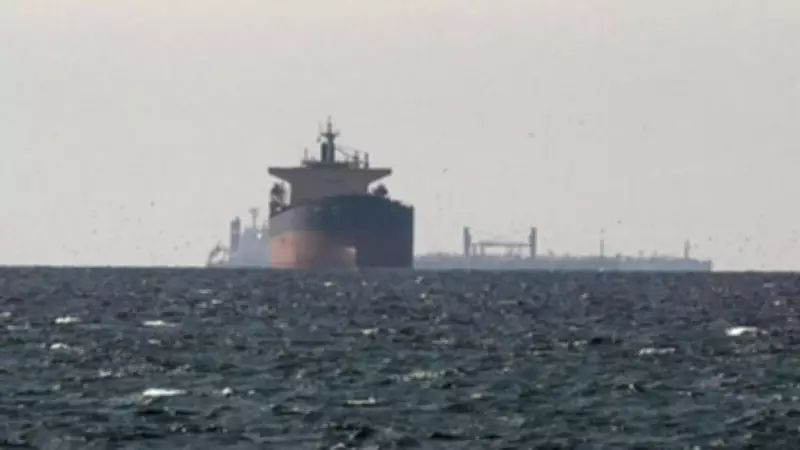
Indian Gas Tankers Prepare for Strait of Hormuz Transit Amid Regional Tensions
In a significant development for global energy markets, Indian gas tankers are reportedly getting ready to sail through the strategically vital Strait of Hormuz. This move comes as tensions in the Middle East continue to escalate, posing potential risks to one of the world's most crucial maritime chokepoints for oil and gas shipments.
Navigating a Critical Global Energy Corridor
The Strait of Hormuz serves as a narrow passage connecting the Persian Gulf with the Gulf of Oman and the Arabian Sea. It is a linchpin for global energy security, with approximately one-fifth of the world's oil supply and a substantial portion of liquefied natural gas (LNG) shipments transiting through this waterway daily. For India, which is heavily dependent on imports to meet its energy needs, ensuring the safe passage of its tankers through this region is of paramount importance.
Indian authorities and shipping companies are taking proactive measures to safeguard their vessels and crews. This includes enhanced coordination with international naval forces operating in the area, such as those from the United States and European nations, which have been patrolling the strait to deter threats from regional actors. Additionally, Indian tankers are likely implementing stricter security protocols, such as increased surveillance and communication systems, to mitigate risks during transit.

Implications for India's Energy Security
India is one of the largest importers of oil and gas globally, with a significant portion of its supplies sourced from the Middle East, particularly countries like Saudi Arabia, Iraq, and Qatar. Any disruption in the Strait of Hormuz could lead to supply shortages and price volatility, impacting India's economy and energy stability. The preparation of Indian gas tankers to sail through this region underscores the country's efforts to maintain a steady flow of energy resources despite geopolitical uncertainties.
Experts note that India's reliance on Middle Eastern energy makes it vulnerable to regional conflicts, but the government has been diversifying its energy sources and investing in strategic reserves to buffer against such shocks. However, the immediate focus remains on ensuring that current shipments proceed without incident, as even minor delays can have cascading effects on global markets.
Regional Tensions and Global Concerns
The Strait of Hormuz has been a flashpoint in recent years due to tensions involving Iran, the United States, and other Gulf states. Incidents such as attacks on tankers and seizures of vessels have raised alarms about the safety of maritime trade in the area. For Indian gas tankers, navigating these waters requires careful planning and risk assessment, given the potential for hostilities to spill over into the shipping lanes.
International efforts to secure the strait include joint patrols and diplomatic initiatives aimed at de-escalating conflicts. India, as a key stakeholder in global energy trade, is actively participating in these discussions to promote stability. The readiness of Indian tankers to transit the Strait of Hormuz reflects a broader commitment to upholding freedom of navigation and ensuring that energy supplies remain uninterrupted for consumers worldwide.
In conclusion, the preparation of Indian gas tankers for passage through the Strait of Hormuz highlights the intricate link between geopolitics and energy security. As India takes steps to protect its interests in this volatile region, the world watches closely, aware that any disruption here could reverberate across global economies. The focus now is on collaborative security measures and diplomatic engagement to keep this vital corridor open and safe for all maritime traffic.






