

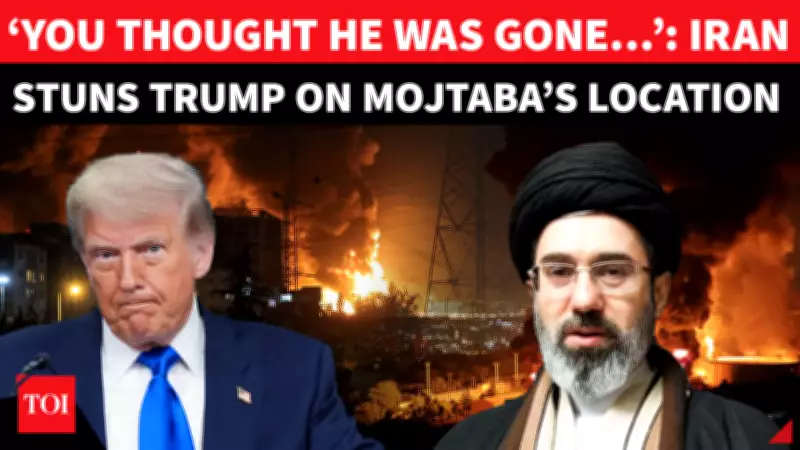
Iran Breaks Silence on Supreme Leader's Whereabouts Amid Ongoing Conflict
In a significant development, Iran has officially addressed the growing speculation surrounding the whereabouts of its new Supreme Leader, Mojtaba Khamenei, amid the ongoing war conditions. The Iranian foreign ministry has broken its silence, confirming that Khamenei is safe and attributing his absence from the public eye directly to the volatile and dangerous warlike situation currently gripping the region.
Official Statement Amid Intensifying Speculation
As suspense and international concern over the leader's location intensified, Tehran issued a response through its foreign ministry. According to reports from Russian media outlets, the Iranian government stated unequivocally that Mojtaba Khamenei is secure. The ministry clarified that his lack of public appearances is a precautionary measure due to the heightened security risks and active conflict environment, rather than indicating any personal harm or incapacitation.
Contrasting Reports from U.S. Media
This official statement comes in stark contrast to earlier reports from various U.S. media sources. Those reports had suggested that the 56-year-old Iranian leader was reportedly injured during the devastating U.S. and Israeli military strikes on February 28. Those same strikes tragically resulted in the death of his father, the former Supreme Leader Ayatollah Ali Khamenei. The conflicting narratives have created a complex information landscape regarding the true status of Iran's top leadership during this critical period.

The Iranian government's decision to publicly address these rumors highlights the severe pressure and international scrutiny the nation faces as the conflict continues to escalate. By attributing the Supreme Leader's absence to "warlike conditions," Tehran is framing the situation as a necessary security protocol rather than a crisis of leadership or health.
Regional Context and Broader Implications
The clarification about Mojtaba Khamenei's status occurs against a backdrop of severe regional instability. The war has involved multiple actors and seen significant military engagements, including the reported destruction of advanced U.S. surveillance aircraft and ongoing threats to critical maritime chokepoints like the Strait of Hormuz. The leadership question is central to Iran's strategic posture and its responses to external pressures from the United States, Israel, and their allies.
This development is crucial for understanding the internal dynamics and external communications of the Iranian state as it navigates an unprecedented military confrontation. The assurance of the Supreme Leader's safety is likely intended to project stability and control internally, while managing international perceptions during a highly volatile geopolitical standoff.






