Iran's army announced on Thursday that it had successfully struck multiple US military assets across the Gulf region, state media reported. The strikes targeted American Patriot missile defense systems in Kuwait, an early warning site in Qatar, and a fuel storage facility in Bahrain, according to a statement released by Iran's official news agency.
Details of the Attacks
The statement specified that drones were used to hit the Patriot systems in Kuwait, a satellite antenna at the early warning site in Qatar, and the fuel depot in Bahrain. No immediate confirmation or response was provided by US or allied officials regarding the claims. The announcement came as Iran prepared to bury a senior military commander killed earlier this week, escalating tensions in the region.
Context and Impact
The strikes mark a significant escalation in the ongoing confrontation between Iran and the United States. Iran has repeatedly warned of retaliation for any attacks on its soil or interests. The targeted locations are key US military hubs in the Gulf, hosting thousands of American personnel and advanced defense systems. Analysts suggest that if confirmed, these attacks could lead to a broader conflict in the region.

According to the Iranian army statement, the operations were carried out in response to recent US actions. The statement did not provide specific timings or casualty figures. Iran's leadership has vowed to continue defending its sovereignty and interests.
Preparations for Burial
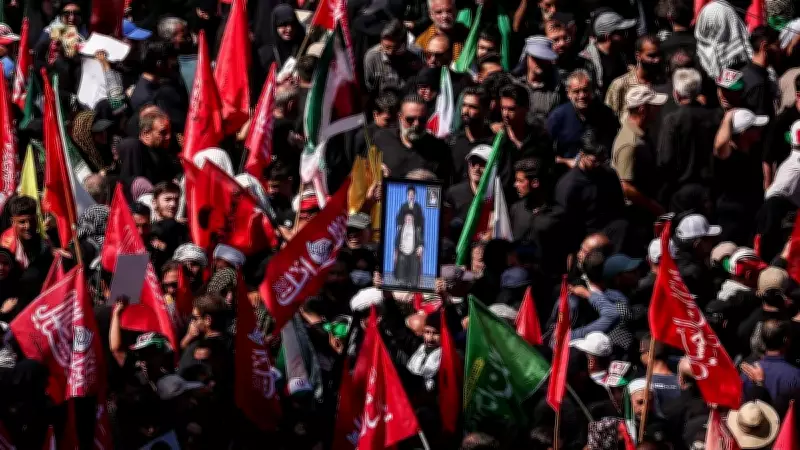
Meanwhile, Iran is preparing to bury the slain commander, whose death has sparked widespread mourning and calls for revenge. Large crowds are expected at the funeral procession. The identity of the commander was not disclosed in the initial report, but Iranian media described him as a key figure in the Islamic Revolutionary Guard Corps.
The United States has not officially commented on the claims. The Pentagon typically refrains from discussing operational details. However, US officials have previously stated that they maintain a robust defensive posture in the Gulf to protect assets and allies.
This incident is likely to further strain diplomatic efforts to de-escalate tensions in the region. International observers have called for restraint from both sides. The situation remains fluid, with potential repercussions for global energy markets and regional stability.