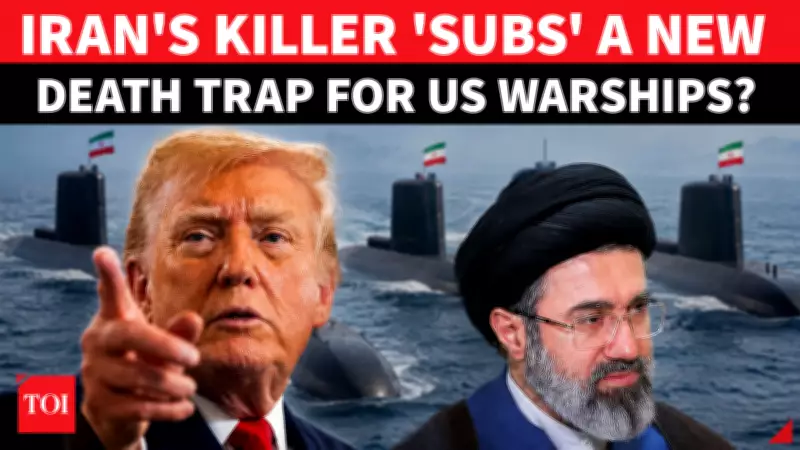
Iran has escalated tensions in the Persian Gulf by openly deploying combat submarines in the strategic Strait of Hormuz amid a growing confrontation with the United States. Iranian Navy Commander Admiral Shahram Irani announced that Tehran's 'light submarines' are now operating deep beneath Gulf waters, capable of remaining hidden on the seabed for long periods and intercepting or destroying hostile vessels.
Strategic Deployment in the Strait of Hormuz
The deployment comes as regional tensions soar over fears of a wider conflict involving Iran, the United States, and Israel. The Strait of Hormuz is a critical chokepoint for global oil shipments, and any disruption could have severe economic consequences worldwide. Iran's use of submarines adds a new dimension to its naval capabilities, allowing for stealthy operations that could threaten commercial and military shipping.
Iran's Warning and Readiness
Earlier, Tehran warned that it would not surrender under pressure and was fully prepared for confrontation if diplomacy failed. Admiral Irani emphasized that the submarines can remain submerged for extended periods, providing a persistent threat to any adversary. This move is seen as a direct challenge to the U.S. Navy's dominance in the region.

Regional and Global Reactions
The international community has expressed concern over the escalating situation. The United States has not yet officially responded to the submarine deployment, but previous statements have indicated a commitment to ensuring freedom of navigation in the strait. Analysts warn that any miscalculation could lead to a broader conflict.
Broader Context of US-Iran Tensions
The submarine deployment is part of a series of aggressive moves by Iran, including recent incidents involving fast boats swarming U.S. warships and threats to target U.S. bases. The situation remains fluid, with diplomatic efforts seemingly stalled. Iran's actions are likely aimed at increasing leverage in negotiations, but they also risk provoking a military response.