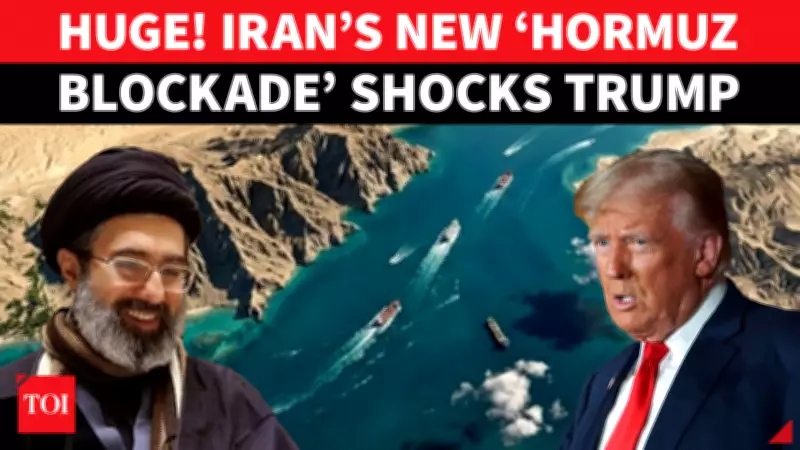
Iran has introduced sweeping new regulations for vessels navigating the Strait of Hormuz, a critical global energy chokepoint. The new rules mandate that all ships register in advance, obtain permits, secure insurance coverage, and submit transit requests at least 48 hours before arrival. Tehran states these measures are designed to enhance safety and restore normal maritime traffic following months of conflict.
Implementation and Potential Fees
During a 60-day implementation period under the recent US-Iran agreement, Iran has waived all fees. However, officials have indicated that charges could be introduced later, potentially creating a new point of friction with Washington. This development comes as commercial traffic through the strait begins to recover.
Strategic Implications
The Strait of Hormuz is a vital waterway for global oil shipments, and any disruption can have significant economic and geopolitical consequences. Iran's move to regulate traffic more tightly may be seen as an attempt to exert greater control over this strategic passage, despite the temporary fee waiver.

The new rules have raised concerns among international shipping companies and governments, who fear that future fees could increase costs and complicate transit. The US has not yet officially responded to the new regulations, but the potential for renewed tensions is evident.