

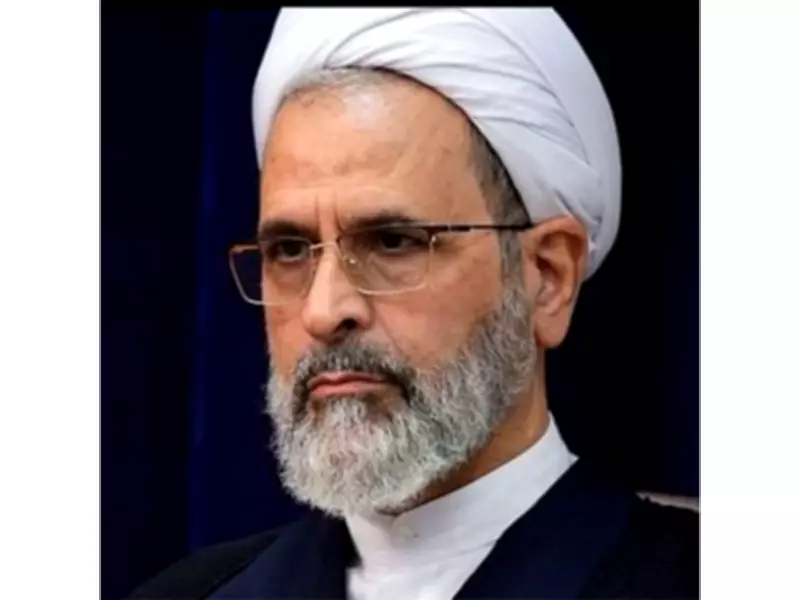
Iran's Interim Leader Slams Western 'Mistaken Calculation' Following Khamenei Killing
In a strongly worded statement, Iran's interim leader has sharply criticized Western nations for what he termed a 'mistaken calculation' in the aftermath of the killing of Supreme Leader Ali Khamenei. This development marks a significant escalation in diplomatic tensions between Iran and Western powers, with the Middle East region now facing heightened uncertainty and potential geopolitical shifts.
Condemnation of Western Actions
The interim leader, who assumed temporary authority following the incident, accused Western countries of miscalculating the consequences of their actions. He emphasized that such moves are not only destabilizing but also reflect a profound misunderstanding of Iran's political and social resilience. The statement was delivered during a public address, where he reiterated Iran's commitment to sovereignty and its right to self-determination, free from external interference.
Impact on Regional Diplomacy
This condemnation comes at a critical juncture, as the killing of Khamenei has already sent shockwaves through international relations. Analysts suggest that the interim leader's remarks could further strain Iran's ties with Western nations, potentially leading to:

- Increased diplomatic isolation for Iran in global forums.
- Heightened security measures within the country to prevent further unrest.
- Possible retaliatory actions that might affect regional stability.
The situation underscores the fragile nature of Middle East diplomacy, where any major event can trigger widespread repercussions. Western governments have yet to issue an official response, but observers anticipate that this could prompt renewed discussions on sanctions or other punitive measures.
Broader Implications for Global Politics
Beyond immediate regional concerns, the interim leader's statement highlights broader issues in international relations. It raises questions about the effectiveness of Western strategies in dealing with Iran and other nations in the Middle East. Experts note that such incidents often lead to:
- Reevaluation of foreign policies by involved countries.
- Increased scrutiny on intelligence and security protocols.
- Potential shifts in alliances as nations reassess their geopolitical interests.
As the situation continues to evolve, the global community is closely monitoring developments, with many calling for restraint and dialogue to prevent further escalation. The interim leader's firm stance signals that Iran is prepared to defend its interests vigorously, setting the stage for what could be a prolonged period of diplomatic friction.






