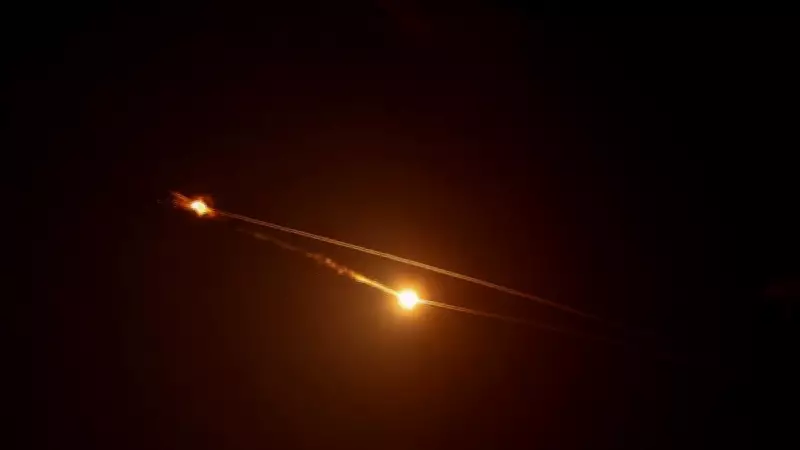
Iran Missile Debris Inflicts Damage on Private Aircraft at Israel's Ben Gurion Airport
In a significant security incident, debris from intercepted Iranian missiles has caused substantial damage to three private planes at Israel's primary international airport, Ben Gurion Airport. This event underscores the escalating tensions in the Middle East and highlights vulnerabilities in critical infrastructure during aerial attacks.
Details of the Incident and Immediate Impact
The damage occurred when Iranian forces launched a barrage of missiles toward Israeli territory. Israeli defense systems, including the Iron Dome, successfully intercepted most of the projectiles. However, falling debris from these intercepted missiles landed within the airport premises, specifically striking three private aircraft parked on the tarmac.
Authorities reported that the debris caused visible structural damage to the planes, including broken windows, dented fuselages, and compromised engine components. Fortunately, no injuries were reported among airport staff or passengers, as the area was secured promptly following the attack. The incident has temporarily disrupted operations in a section of the airport, with officials conducting safety assessments and cleanup efforts.

Security and Economic Implications
This event raises serious concerns about the security of aviation assets in conflict zones. Ben Gurion Airport, a major hub for international travel and commerce, is now under scrutiny for its preparedness against such threats. Experts emphasize that while missile defense systems are effective, residual debris poses an unforeseen risk to ground infrastructure.
The economic impact is also notable, as private aircraft represent high-value assets, and repairs could incur significant costs. Insurance claims and potential flight delays may further strain the aviation sector, which is already navigating challenges in the volatile region.
Regional Context and Broader Consequences
The missile attack is part of a broader pattern of hostilities between Iran and Israel, reflecting ongoing geopolitical strife in the Middle East. Recent escalations have included cyber warfare, proxy conflicts, and direct military engagements, with this incident marking a tangible physical impact on Israeli soil.
Analysts warn that such events could deter international investors and travelers, affecting Israel's economy and global connectivity. Additionally, it may prompt other nations to reassess their airport security protocols in light of similar threats.
Response and Future Measures
Israeli authorities have launched an investigation into the incident, focusing on improving debris mitigation strategies and enhancing protective measures for airport facilities. Discussions are underway to potentially deploy additional shielding or relocate sensitive assets during high-alert periods.
In summary, the damage to private planes at Ben Gurion Airport serves as a stark reminder of the far-reaching consequences of regional conflicts. It underscores the need for robust security frameworks and international cooperation to safeguard critical infrastructure against evolving threats.