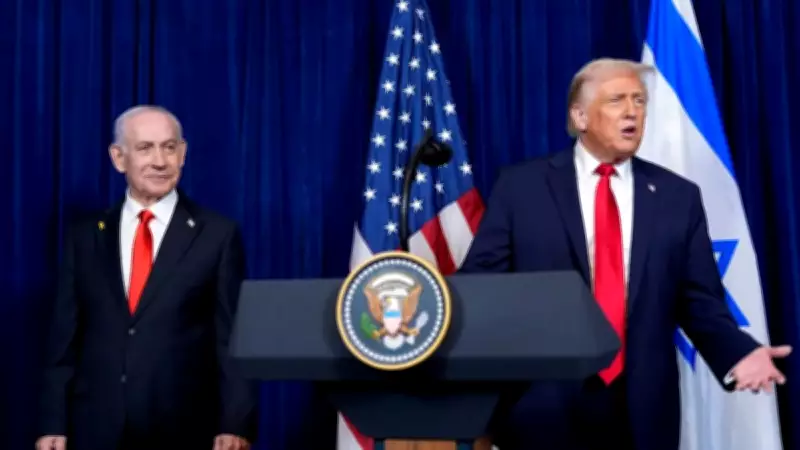
The recent Iran peace deal has exposed a significant rift between the United States and Israel, as the two allies diverge on how to handle Tehran's nuclear ambitions. The deal, which aims to curb Iran's nuclear program in exchange for sanctions relief, has been met with strong opposition from Israeli Prime Minister Benjamin Netanyahu, who described it as a "historic mistake."
US Stance on Diplomacy
US President Joe Biden has defended the agreement, emphasizing that diplomacy is the best way to prevent Iran from obtaining a nuclear weapon. "You cannot kill your way out of this problem," a senior US official stated, underscoring Washington's commitment to a negotiated settlement. The administration argues that the deal includes robust verification mechanisms and will ensure regional stability.
Israel's Security Concerns
Israel, however, views the deal as a threat to its security. Netanyahu has repeatedly warned that Iran cannot be trusted and that the agreement will provide Tehran with financial resources to support proxy groups across the Middle East. "We will not allow Iran to develop nuclear weapons, with or without a deal," he said, hinting at possible unilateral military action.

The rift has also played out in public, with Israeli officials openly criticizing the US approach. Defense Minister Yoav Gallant stated that Israel reserves the right to defend itself, while US officials have urged restraint and coordination.
Implications for the Region
The divide has broader implications for Middle East dynamics. The deal has been welcomed by European allies and some Gulf states, who see it as a step toward reducing tensions. However, it has also emboldened Iran's regional rivals, including Saudi Arabia, which is closely watching the situation.
Analysts suggest that the US-Israel relationship, while strained, is unlikely to break entirely due to shared strategic interests. However, the disagreement over Iran could reshape alliances and influence future negotiations.
Domestic Reactions
In Israel, the deal has sparked political debate, with opposition leaders accusing Netanyahu of endangering relations with the US. Meanwhile, in the US, Republican lawmakers have criticized the administration for being too lenient on Iran, while Democrats have largely supported the diplomatic approach.
As the deal moves forward, both nations will need to navigate this delicate balance, with the potential for further friction if Iran violates the agreement or if Israel takes unilateral action.