

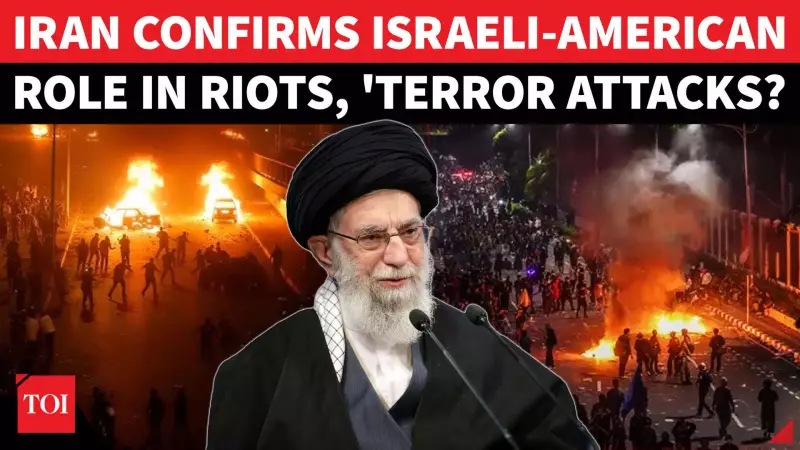
Iranian President Masoud Pezeshkian has delivered a firm address following three nights of escalating protests across the nation, denouncing demonstrators as "rioters and terrorists" allegedly brought from outside the country. In his first public response to the unrest, Pezeshkian warned that such elements must not be allowed to disrupt Iranian society.
President's Appeal and Accusation of Foreign Interference
Speaking to the state-run broadcaster IRIB, President Pezeshkian urged citizens to stand firmly with the government. He emphasized that the public should not permit unrest to undermine the nation's stability. "The people of Iran should not allow rioters to disrupt society," he stated. The President further sought to reassure the populace, asserting that "they must believe that the government seeks to establish justice."
In a significant escalation of rhetoric, Pezeshkian directly blamed foreign powers for the ongoing turmoil. He accused the United States and Israel of actively working to "sow chaos and disorder" within Iran's borders. According to the President, Washington and Tel Aviv are orchestrating and encouraging the protests in a deliberate attempt to fuel instability inside the Islamic Republic.

Context of the Unrest and Government Stance
The President's statement comes after three consecutive nights of intensified protests that have spread to various parts of Iran. The government's characterization of the events frames them not as domestic dissent but as "imported violence." This narrative positions the protests as a product of foreign intervention rather than internal grievances.
By labeling participants as externally sourced "rioters and terrorists," the Iranian leadership is employing a familiar strategy to delegitimize the demonstrations. The call for public unity is a direct effort to isolate the protesters and rally nationalistic sentiment against perceived external enemies.
Implications and Regional Tensions
This accusation against the U.S. and Israel injects the domestic situation into the broader arena of geopolitical rivalry. It raises the stakes of the internal unrest by linking it to longstanding international conflicts. The Iranian government's response suggests a readiness to attribute any internal challenge to the actions of these specific foreign states.
The situation remains fluid, and the government's next steps will be closely watched. Pezeshkian's appeal for public support indicates a priority on maintaining control and social order through a combination of persuasion and the attribution of blame to external actors. The effectiveness of this strategy in quelling the protests is yet to be seen.






