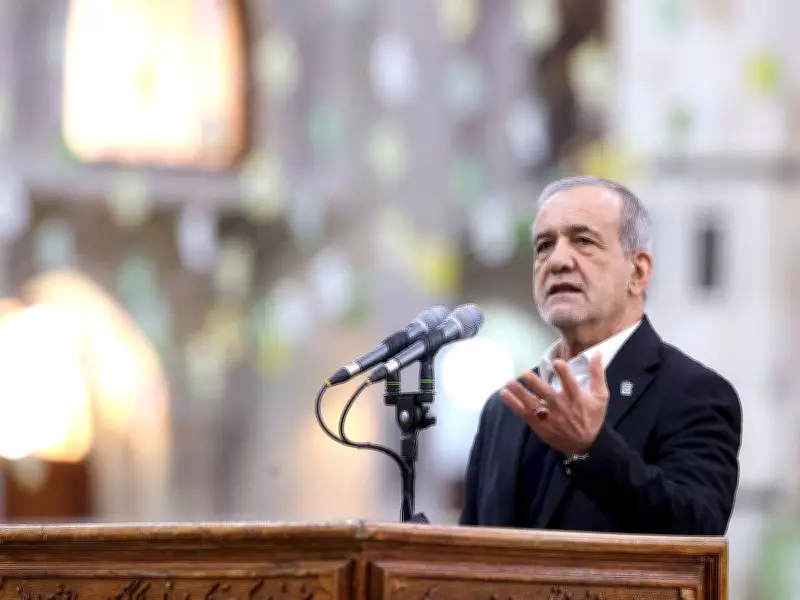
Iranian President Masoud Pezeshkian has declared that colonialism will have no place in the future world order. Speaking at a diplomatic event, he emphasized that the era of exploitation and domination is coming to an end, and a new chapter of justice and equality is beginning.
Vision for a Post-Colonial World
President Pezeshkian outlined his vision for a world where nations are sovereign and free from external interference. He criticized historical colonial powers for their exploitative practices and called for a collective effort to dismantle remaining colonial structures. According to him, the future belongs to those who uphold mutual respect and cooperation.
Global Reactions
The statement has drawn mixed reactions internationally. Supporters from developing nations praised the stance, viewing it as a step toward correcting historical injustices. Meanwhile, some Western powers expressed skepticism, arguing that decolonization is already largely complete. However, Pezeshkian insisted that neocolonialism, in the form of economic and political pressure, still persists and must be addressed.

Iran's Role
Iran positions itself as a champion of anti-colonial movements. Pezeshkian highlighted Iran's support for oppressed nations and its commitment to fostering a multipolar world. He urged other countries to join in creating a global system based on fairness rather than power imbalances.
Implications for International Relations
This declaration could reshape Iran's foreign policy and its relationships with both developing and developed nations. It signals a push for greater autonomy for countries in the Global South and a challenge to existing power dynamics in international institutions.
In conclusion, President Pezeshkian's remarks underscore a growing sentiment among many nations that the legacy of colonialism must be fully overcome. Whether this vision translates into tangible policy changes remains to be seen, but it certainly adds a significant voice to the discourse on global justice.