

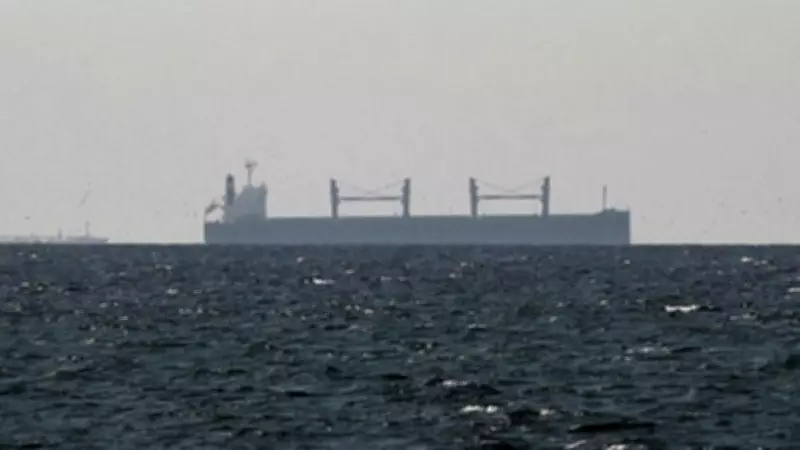
Iran Proposes Safe Ship Exit via Oman in Hormuz Amid US Blockade
In a significant development in the Middle East, Iran has put forward a proposal to allow ships to exit safely through the Oman side of the strategically vital Strait of Hormuz. This move comes as the United States imposed a stringent blockade on oil ships departing from Iran's ports on Monday, April 13, 2026, escalating tensions in the region.
US Blockade and Muted Shipping Traffic
The US blockade, which specifically targets oil vessels leaving Iranian ports, has led to a notable reduction in maritime activity. Broader shipping traffic through the Strait of Hormuz has remained muted since February 28, 2026, as reported by Reuters. This decline underscores the economic and logistical impacts of the ongoing geopolitical standoff.
The Strait of Hormuz is a critical chokepoint for global oil shipments, with approximately one-fifth of the world's petroleum passing through its waters. Any disruption here can have far-reaching consequences for international energy markets and trade routes.

Iran's Proposal and Regional Implications
Iran's proposal to utilize the Oman side of the strait for safe ship exits is seen as a strategic maneuver to circumvent the US blockade. Oman, a neighboring country with a history of mediating regional conflicts, could play a pivotal role in facilitating this arrangement.
This development highlights the complex dynamics at play in the Middle East, where diplomatic efforts and military posturing often intersect. The proposal may offer a temporary solution to ensure the flow of goods and oil, but it also raises questions about long-term stability and security in the area.
Global Reactions and Future Outlook
International observers are closely monitoring the situation, as any escalation could affect global oil prices and shipping lanes. The US blockade and Iran's counter-proposal reflect the ongoing tensions between Tehran and Washington, which have persisted for decades.
Key points to consider:
- The US blockade aims to pressure Iran over various geopolitical issues.
- Iran's proposal seeks to maintain its maritime trade despite the blockade.
- Oman's involvement could be crucial for de-escalation and regional diplomacy.
As of April 16, 2026, the situation remains fluid, with stakeholders awaiting further developments. The outcome of this proposal could set a precedent for how similar conflicts are managed in the future, emphasizing the need for diplomatic solutions in volatile regions.






