

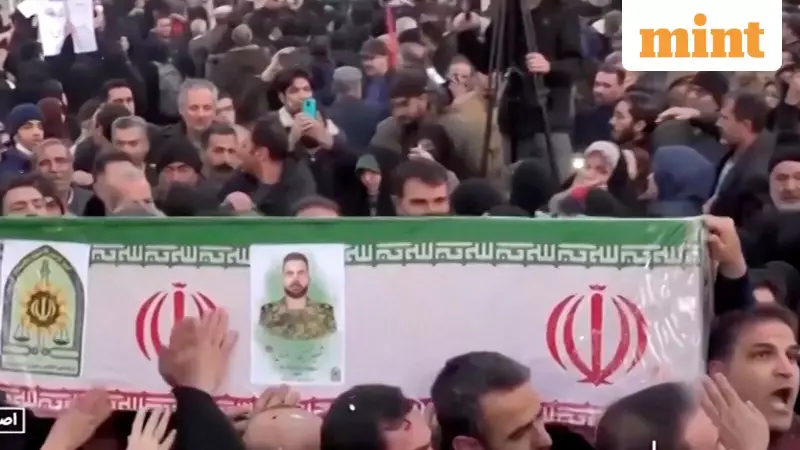
Iran is currently navigating one of its most severe domestic crises in recent years. What began as public anger over a crumbling economy has rapidly transformed into a widespread political uprising, challenging the very foundations of the Islamic Republic. The situation is marked by a severe government crackdown, a near-total information blackout, and escalating international threats, raising the stakes both within the country and on the global stage.
From Economic Grievances to Political Revolt
The spark for the current Iran protests was lit in late December. The immediate trigger was the catastrophic collapse of the national currency and surging inflation, which drastically eroded the purchasing power of ordinary citizens. Soaring prices, cuts to essential subsidies, and high unemployment drove merchants, students, and workers to the streets in initial demonstrations.
However, the movement swiftly shed its purely economic character. The public outcry over financial hardship has evolved into a broad-based Iran political crisis. Protesters are now openly confronting the nation's clerical leadership, with chants like "Death to the dictator" directly targeting Supreme Leader Ayatollah Ali Khamenei. This represents a significant and daring shift in the nature of dissent within the country.

The scale of the unrest is unprecedented in its geographic reach. Demonstrations have been reported in more than 185 cities across all 31 provinces, encompassing not just major urban centres but also small towns and rural areas. Analysts note that this nationwide spread presents a formidable challenge to security forces attempting to contain the movement.
Crackdown, Blackout, and International Tensions
The government's response has been harsh. According to human rights organisations, at least 190 people have been killed, with some estimates suggesting a much higher death toll. Reports indicate that nearly 10,000 individuals have been arrested following violent clashes between protesters and state security personnel.
To obscure the true extent of the crackdown, authorities have imposed a near-total internet shutdown. Connectivity within Iran plummeted to roughly one per cent of normal levels. This digital blackout has made independent verification of casualty figures and arrests extremely difficult and has heightened fears of even more severe repression away from the world's eyes.
Officially, the Iranian government has acknowledged some economic distress but primarily blames foreign adversaries. Officials accuse the United States and Israel of fomenting the unrest. Police chief Ahmadreza Radan claimed that any deaths were caused by "unpaid soldiers of Iran's enemies," absolving security forces of responsibility. The regime has also mobilised tens of thousands of its own supporters in rallies across Tehran and other cities, framing the crisis as an "uprising against American-Zionist terrorism."
Internationally, the situation remains volatile. Former US President Donald Trump issued a stark warning, threatening "very strong options" and stating the US military was "locked and loaded" if lethal force was used against protesters. Iran has retorted that it is open to diplomacy but is fully "prepared for war."
The Exiled Voice and a Regime Under Pressure
A notable development has been the emergence of Reza Pahlavi, the exiled son of Iran's last Shah, as a prominent voice for the opposition. From his base in the United States, he has urged Iranians to continue demonstrations and organise strikes in key economic sectors. Pahlavi has called on protesters to "take over city centres" and has appealed to security forces to defect and side with the people.
While some protesters have been heard chanting his name, his actual level of support inside Iran is unclear. He has positioned himself as a unifying figure for change, emphasising that Iranians should decide their own future, which may not necessarily mean a return to monarchy.

The ruling regime enters this crisis in a fragile state, weakened by punishing international sanctions, a recent shadow war with Israel, and strikes on its nuclear facilities. The participation of traditionally conservative bazaar merchants and the sheer scale of anger across the nation suggest this uprising poses a deeper and more fundamental challenge to the Islamic Republic than previous waves of protest.





